Photography Tours and Workshops
Morocco
Photo Tours
Professional photography experiences across the world's most photogenic destination -- from Saharan sunrise to medina blue hour, guided by experts who know every angle of light.
Scroll to explore
Why Morocco
A Photographer's Paradise
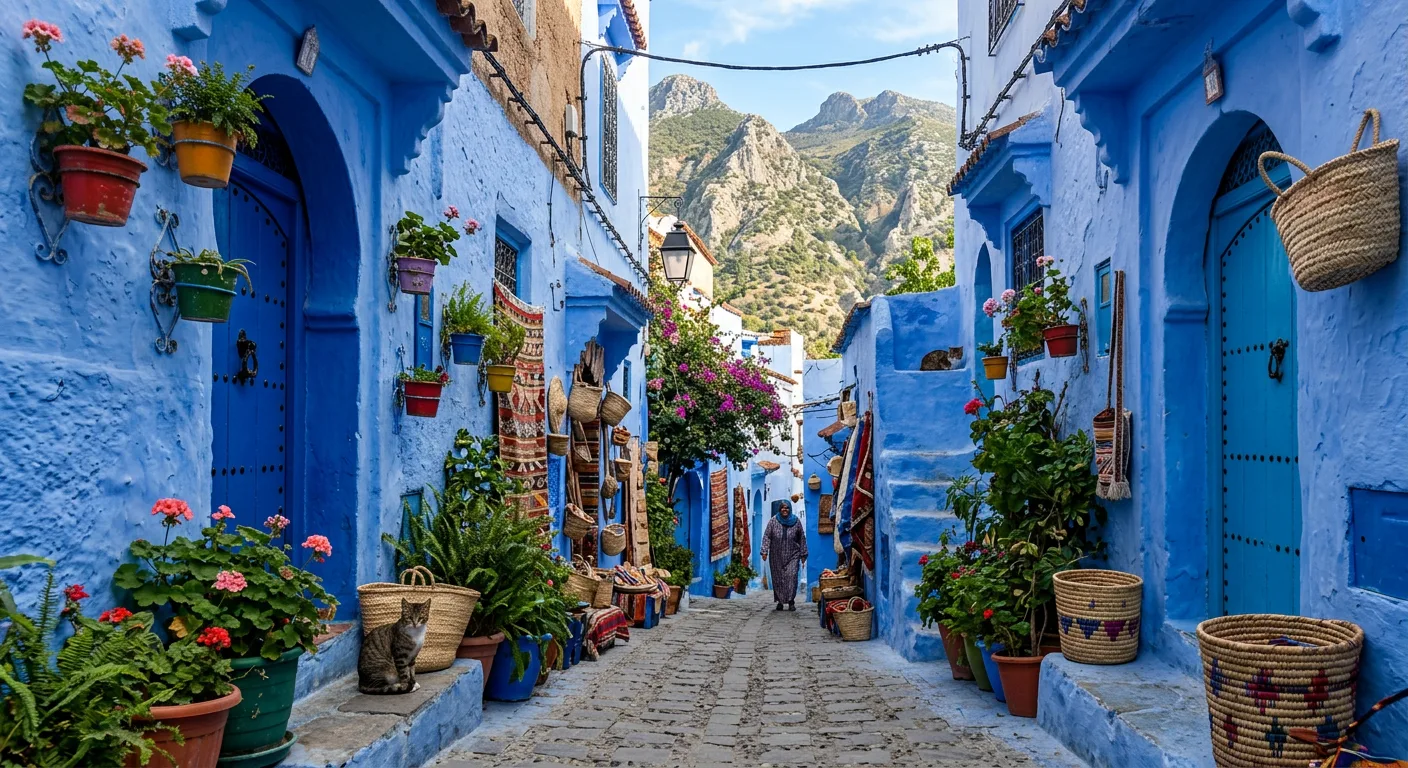
Ancient medinas with timeless light. The labyrinthine medinas of Fes, Marrakech, and Chefchaouen are living museums where shafts of light penetrate reed ceilings, dust motes drift through carpentry workshops, and every alleyway reveals a new composition of shadow, colour, and human activity unchanged across centuries.
Architectural diversity spanning millennia. Roman ruins at Volubilis, Moorish medersas in Fes, Berber kasbahs in the Dades Valley, French Art Deco in Casablanca -- Morocco compresses architectural traditions from four civilizations into a single, compact geography.
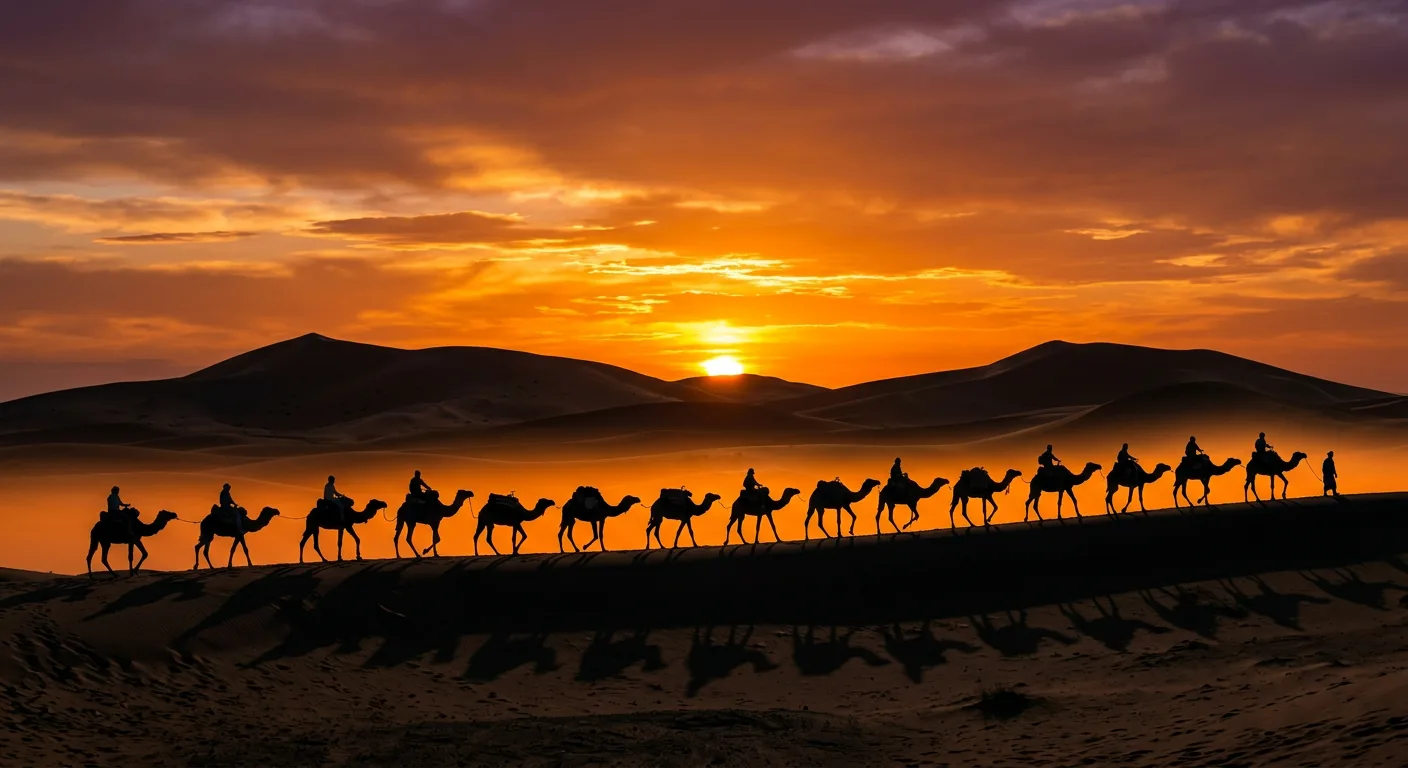
Dramatic landscapes from Sahara to Atlas. Within a single day's drive, the terrain shifts from 4,167-metre snow-capped peaks to subtropical palm oases to 150-metre sand dunes to Atlantic sea cliffs. No other country offers this range of photographic environments in such proximity.
The quality of light. Morocco's latitude (30-35 degrees north) combined with clear skies and Mediterranean positioning produces what professional photographers call "hero light" -- warm, angled illumination that turns clay, stone, and sand into gold. In winter, the sun never rises high, creating golden-hour quality light for extended periods throughout the day.
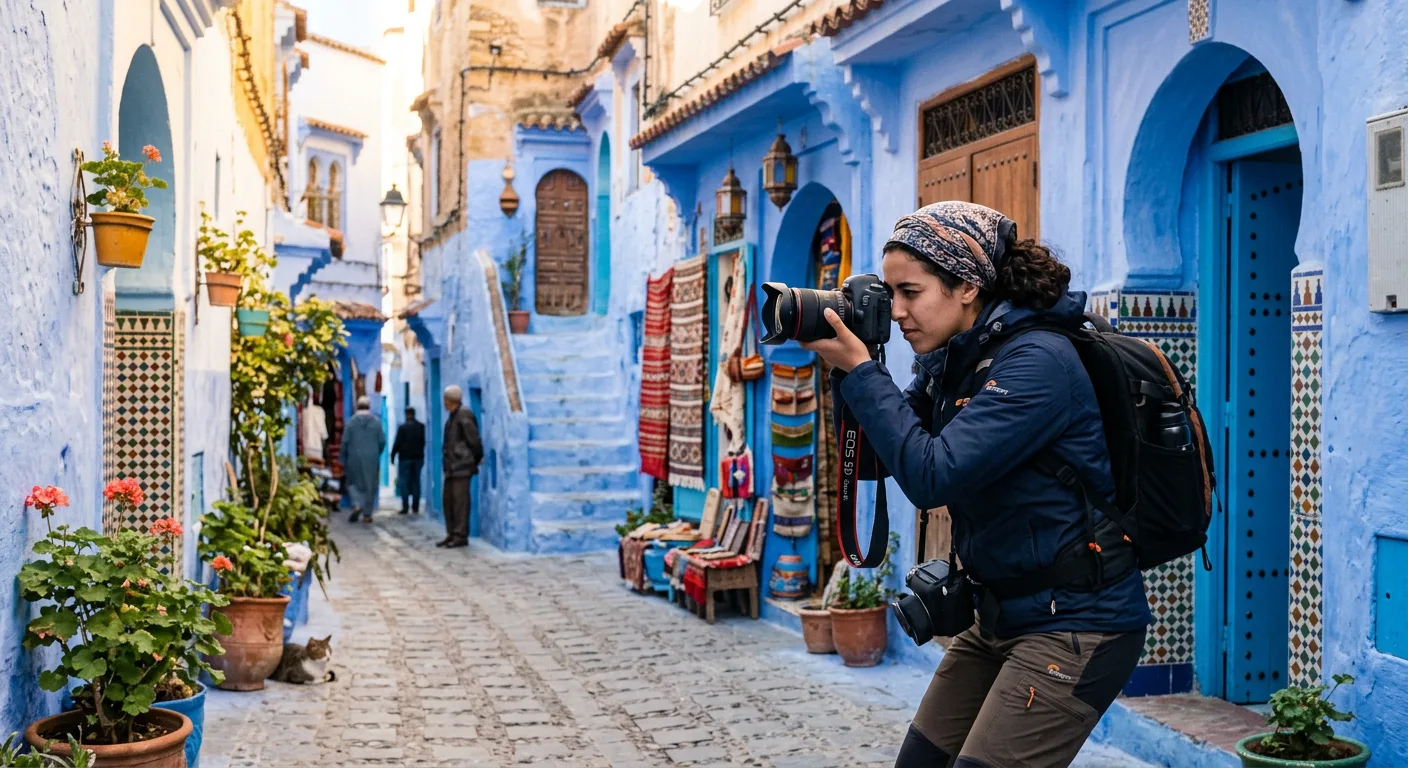
Golden Hour Light
Clear skies and low latitude produce spectacular warm illumination across clay, sand, and stone
Colour Palette
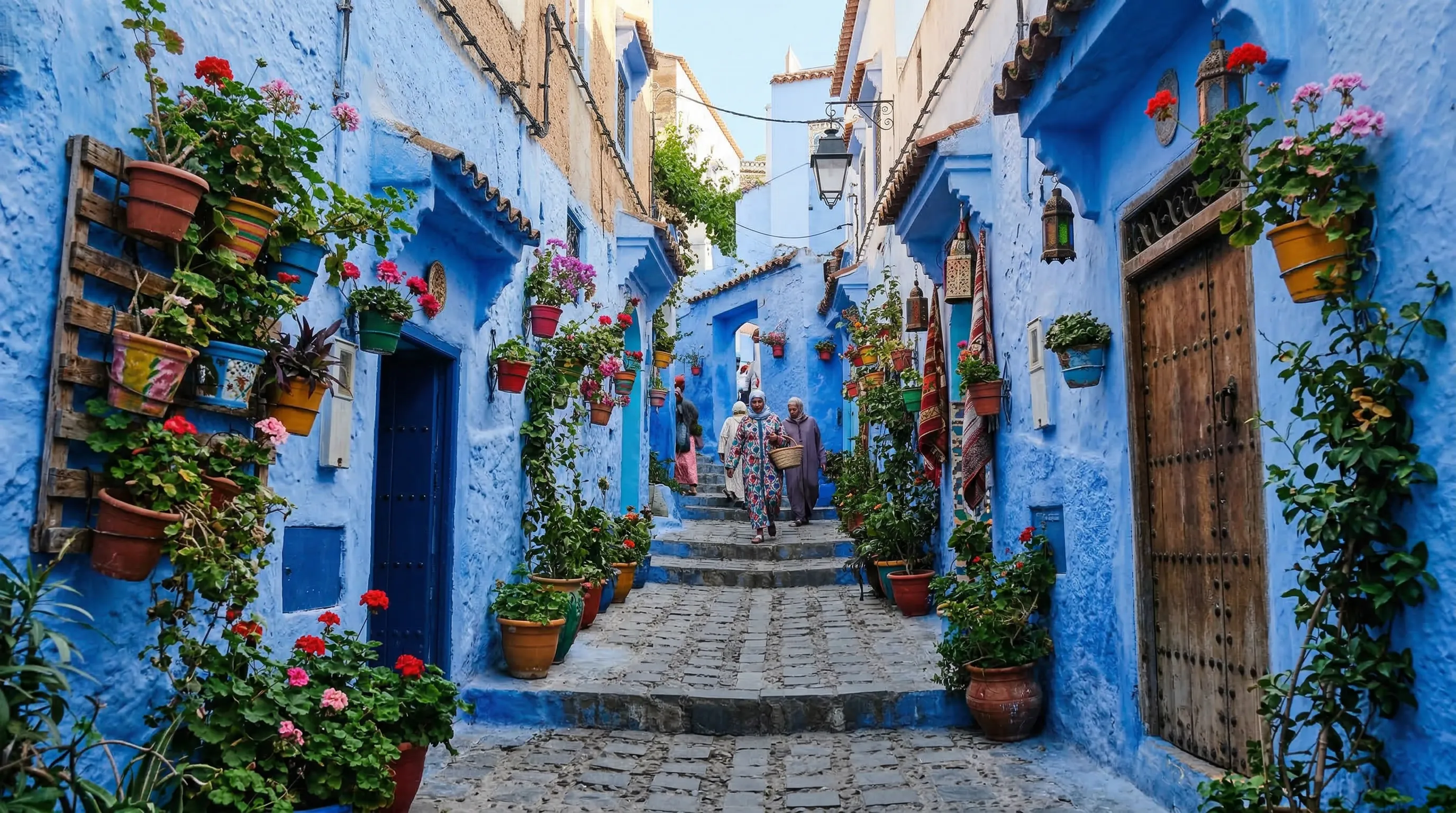
Blue Chefchaouen, red Marrakech, white Essaouira, pink Rose Valley, golden Sahara
Human Stories
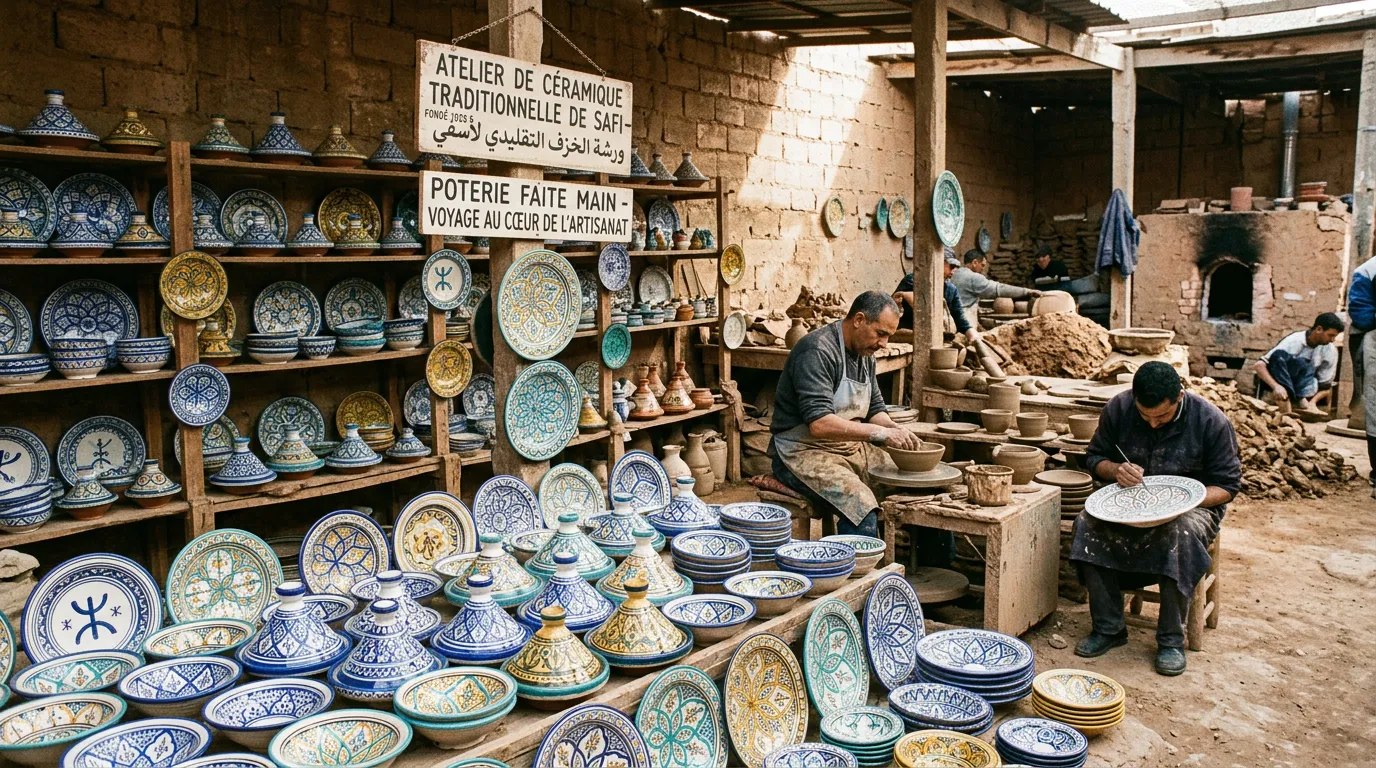
Artisans, musicians, nomads, and farmers continue traditions largely unchanged for centuries
Architecture
Roman, Moorish, Berber, and French colonial -- four civilizations in one country
Location Directory
Most Photogenic Locations
Nine hand-selected locations with GPS coordinates, optimal timing, equipment recommendations, and insider tips from photographers who have shot each one extensively.
Best Time
Blue hour, 30 minutes before to 20 minutes after sunset
Equipment
Wide angle 16-35mm for rooftop panoramas, telephoto 70-200mm for performers below
Insider Tip
Arrive at a rooftop cafe 45 minutes before sunset to secure a front-row position. The transition from daylight to artificial orange lighting produces the most balanced, atmospheric frames.
Expert Shot List
Fes Medina Shot List
Five essential compositions that define photography in the world's largest car-free urban zone -- each with specific lens and timing recommendations.
1
Aerial medina panorama from Borj Nord viewpoint
70-200mm telephoto
The Marinid Tombs hilltop provides the definitive overhead composition of the entire Fes medina spread below
2
Al-Qarawiyyin Mosque courtyard details through doorways
85-135mm portrait range
Non-Muslims cannot enter, but the ornate doorways frame interior glimpses. Shoot through the gap at an oblique angle
3
Bou Inania Madrasa courtyard at golden hour
16-24mm wide angle on tripod
The central fountain symmetry demands a perfectly level tripod. Overcast or golden-hour light avoids harsh shadows in carved stucco
4
Carpenter souk with dust motes in shafts of sunlight
50mm f/1.4 or 35mm f/1.4
Shafts of light through the reed ceiling illuminate floating sawdust. Position yourself to backlight the dust motes against dark backgrounds
5
Bab Boujloud (Blue Gate) with long-exposure pedestrian blur
35-50mm, ND filter, tripod
A 2-4 second exposure blurs the constant stream of pedestrians through the famous blue-tiled arch into ghostly streaks
Workshops and Tours
Photography Workshops
From half-day medina walks to multi-week expeditions, Morocco offers photography instruction at every level and budget.
MarrakechHalf-day to full-day
Maison de la Photographie
Houses a remarkable collection of vintage Moroccan photography from 1870-1950. Offers contemporary photography workshops combining historical context with medina shooting excursions led by local photographers.
Marrakech3-5 day immersive
Marrakech Photo Workshop
Multi-day intensive workshops covering street photography, portrait techniques, and post-processing. Small groups of 4-6 photographers with pre-dawn and evening shooting sessions timed to optimal light.
Across Morocco10-14 days
National Geographic Expeditions Morocco
Premium photography-focused expeditions led by National Geographic photographers covering multiple regions. Includes portfolio reviews, processing workshops, and exclusive access to locations arranged through local partners.
Any cityCustom
Private Photography Guide via Riad Concierge
Many luxury riads can arrange private photography guides -- local photographers who know the hidden angles, the best light windows, and can navigate cultural sensitivities around portrait photography. Typically 500-1,200 MAD per half day.
Technical Guide
Camera Settings by Scenario
Desert and Dune Photography
Exposure compensation +1 to +1.5 stops for bright sand (meter underexposes sand)
Use a UV or clear filter to protect the front element from abrasive sand particles
White balance: Daylight or Shade preset -- auto WB strips out the golden warmth
Keep cameras in sealed bags when not shooting; Sahara dust infiltrates everything
Medina and Souk Interiors
ISO 1600-3200 in dark covered souks; noise is preferable to motion blur
Fast primes (f/1.4-f/2.0) are ideal for available-light work
Watch for shafts of light through reed ceilings -- backlight subjects in these pools
Auto-ISO with minimum shutter speed of 1/125s ensures sharp handheld frames
Architecture and Mosques
Always level the tripod -- converging verticals ruin symmetrical compositions
f/8 to f/11 for maximum sharpness across the entire frame depth
Blue hour (15-20 min after sunset) balances interior lighting with exterior sky
Bracketed exposures for HDR: interiors have extreme dynamic range
People and Portraits
Always ask permission: "mumkin tswira?" (may I take a photo?)
85-135mm range flatters facial features and provides comfortable working distance
Open shade (doorways, alley edges) provides the most flattering portrait light
Continuous AF with eye detection ensures sharp focus during conversation
Light Planning
Golden Hour by Season
Approximate golden hour windows for central Morocco (Marrakech). Times vary by up to 45 minutes between Tangier in the north and the southern Sahara.
| Season | Sunrise | Sunset | Golden Hour | Notes |
|---|---|---|---|---|
| Summer (June-August) | 5:35-6:10 AM | 7:20-7:55 PM | 50-60 min | Long days, extreme heat -- shoot exclusively near dawn and dusk |
| Autumn (Sep-Nov) | 6:35-7:30 AM | 5:20-6:40 PM | 35-45 min | Ideal balance of light quality and comfortable temperatures |
| Winter (Dec-Feb) | 7:40-8:00 AM | 5:10-5:50 PM | 30-40 min | Low sun angle all day -- effectively 6+ hours of quality light |
| Spring (Mar-May) | 5:50-7:05 AM | 6:45-7:35 PM | 45-55 min | Best overall season: wildflowers, green Atlas, dramatic cloud formations |
Note: Blue hour -- the 15-20 minute window before sunrise and after sunset -- is equally critical for architectural photography. The balanced mix of ambient twilight and artificial lighting during blue hour produces the most dramatic mosque and medina images. Use apps such as PhotoPills or Sun Surveyor for location-specific planning.
Aerial Photography
Drone Regulations
Morocco permits drone photography but requires advance permits and has significant restricted zones. Violations are treated seriously. Plan well ahead.
Ethics and Etiquette
Respectful Photography
Morocco is deeply hospitable but photography carries cultural responsibilities. These principles produce meaningful images while honouring the people and places you encounter.
Always ask before photographing people
Make eye contact, hold up the camera, and ask "mumkin tswira?" Wait for a clear yes. A 5-10 MAD gesture of appreciation is customary and appreciated, especially for vendors and artisans.
Children require parental consent
Never photograph children without the explicit permission of a parent or guardian who is present. Be especially cautious around schools, playgrounds, and residential neighbourhoods.
Respect sacred sites and prayer times
Lower your camera during the adhan (call to prayer). Photography inside active mosques is prohibited. The Hassan II Mosque in Casablanca is the only major exception offering guided tours to non-Muslims.
Delete images if asked
If someone realises they have been photographed and is unhappy, delete the image in their presence. This is both ethical and the correct cultural response. Arguing is never appropriate.
Performers at Jemaa el-Fnaa expect payment
Snake charmers, henna artists, and musicians who see your camera will demand payment. Either negotiate a price beforehand, put the camera away, or use a telephoto from a rooftop cafe.
Women in conservative areas
In rural and conservative areas, photographing women without explicit consent is deeply disrespectful. Many women will decline -- accept this graciously and without insistence.
Gear Guide
Essential Equipment
What to pack for Morocco's diverse shooting environments -- from fine Saharan dust to Atlantic sea spray to the low-light interiors of ancient souks.
Essential Lenses
24-70mm f/2.8 -- the workhorse. Covers architecture, street, and environmental portraits. If you bring one lens, bring this one.
70-200mm f/2.8 -- people photography from respectful distance, Sahara dune layer compression, architectural detail isolation.
16-35mm f/2.8 or f/4 -- mosque interiors, medina alleyways, Todra Gorge verticals, night sky.
50mm or 35mm f/1.4 -- available-light souk work, intimate street photography.
Dust Protection
Sahara dust is finer than beach sand and infiltrates sealed camera bodies. A rocket blower is essential daily equipment.
UV or clear protective filters on all lens front elements. Replace if scratched -- they are sacrificial.
Sensor cleaning kit with swabs and fluid. Budget one cleaning per 3-4 desert shooting days.
Ziplock bags and silica gel packets for overnight storage in desert camps.
A camera rain cover doubles as a dust cover during sandstorms and high-wind desert conditions.
Tripod and Support
Carbon-fibre travel tripod -- essential for blue-hour mosque shots, night sky, and long-exposure work.
Ball head with Arca-Swiss compatible plate for rapid camera mounting and removal.
Remote shutter release or 2-second timer to eliminate vibration on long exposures.
Monopod as alternative for medina work where tripods are impractical in crowds.
Filters
Circular polarizer (CPL) -- essential for Atlantic coast, mosque pool reflections, and intensifying blue skies against white architecture.
Neutral density 3-6 stop -- long exposures at Hassan II Mosque water pools and market crowd blur.
Graduated ND -- balancing bright Sahara sky against dark sand in landscape compositions.
Private Photography Tours
Capture Morocco with Expert Guides
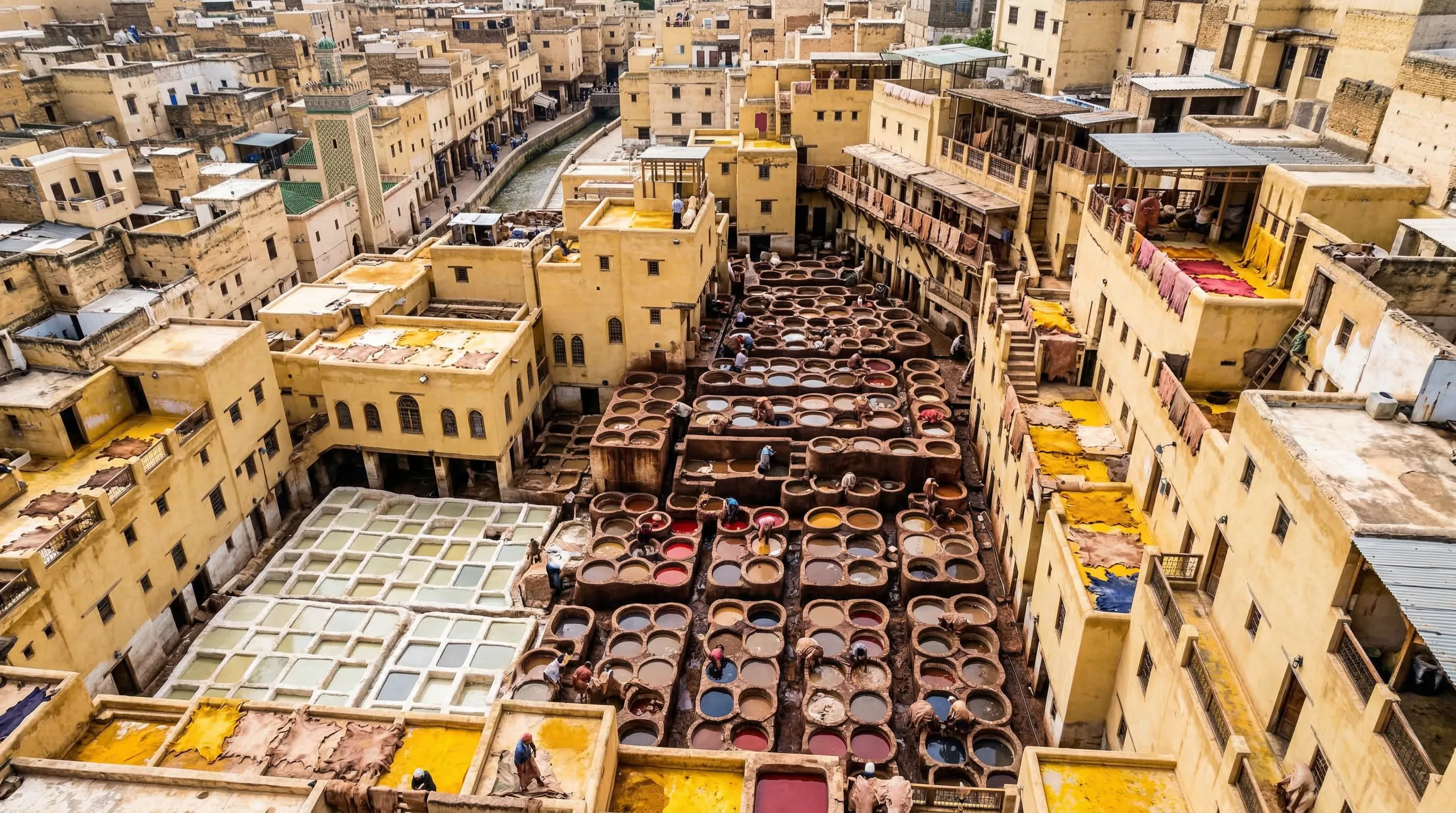
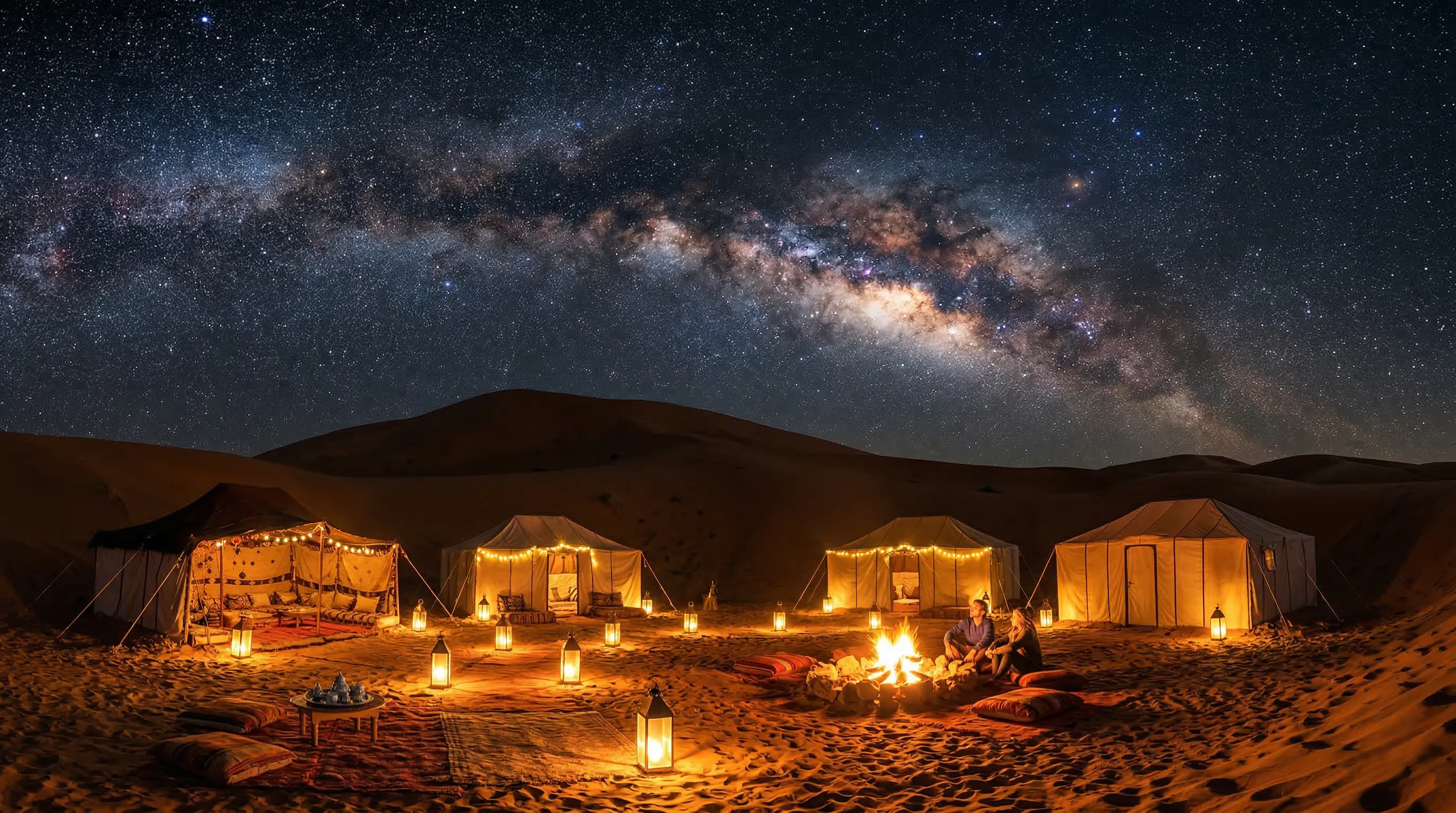
Our photography-focused itineraries are designed around optimal shooting windows -- dawn at the tanneries, blue hour at the Hassan II Mosque, pre-sunrise on the Sahara dunes. Your guide understands composition, manages access, and navigates cultural sensitivities so you can focus entirely on making images.
Small groups of maximum 6 photographers for unrestricted access
Itineraries timed to golden and blue hour at every location
Expert local guide with professional photography knowledge
Post-processing workshops included in multi-day tours
Private transportation for pre-dawn and late-evening shoots
Ready to Capture Morocco?
Every trip we design puts you in the right place at the right time, with the right access. Let us build your Morocco photography itinerary.