Photography Tours & Workshops
Morocco Through
Your Lens
Extraordinary light, ancient architecture, vivid colour, and human stories that cannot be found anywhere else on Earth. Morocco is the photographer's ultimate destination.
A Photographer's Paradise
Where Light, Colour, and Humanity Converge
Morocco offers a confluence of photographic gifts found nowhere else on Earth. The light is the first thing every photographer notices -- in the Sahara, the hours around sunrise and sunset produce what professional photographers call "hero light," a quality of warm, angled illumination that turns desert sand, clay kasbahs, and ancient stonework into gold. The latitude means the sun stays relatively low even at midday in winter, extending the quality shooting window dramatically.
The colour palette is extraordinary and diverse. Chefchaouen's medina is washed in shades of cobalt and periwinkle blue. Marrakech is built from pinkish-red Haouz clay that glows at golden hour. The white coastal cities of Asilah and Essaouira shimmer against the blue Atlantic. The Dades Valley blooms pink with roses in May. The Sahara shifts from purple to amber to gold within thirty minutes of sunrise.
Beyond colour and light, Morocco offers an unmatched density of photographic subjects: 14th-century medersas, Roman ruins, Berber villages unchanged for centuries, souks where craftspeople practise ancient trades, Atlantic fishing harbours, Saharan nomads, Gnaoua musicians, and landscapes ranging from snow-capped Alpine peaks to subtropical palm oases within a single day's drive. The cultural density and visual variety make it possible to fill an entire portfolio in a single week without repeating a subject or a location.
Why Morocco
Six Reasons This Country Is Unmatched
No single country on Earth offers this combination of light quality, chromatic range, architectural depth, and human photographic subjects within such a compact geography.
The Quality of Light
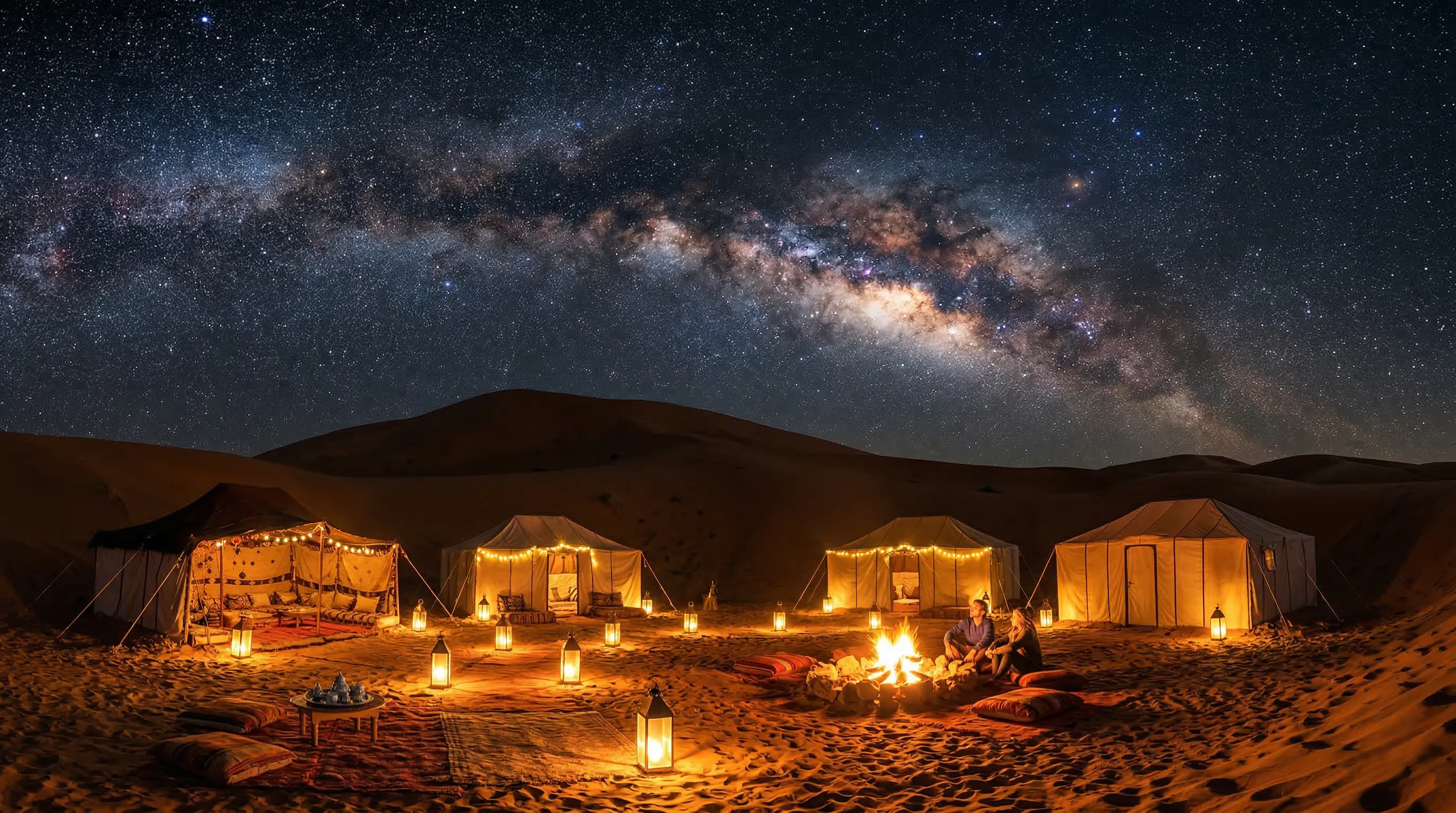
Morocco sits at latitudes between 28 and 36 degrees north, producing low-angle sunlight for extended periods each day. The desert atmosphere scatters warm wavelengths in ways that professional photographers call "hero light" -- a quality of golden, directional illumination that turns clay kasbahs, sand dunes, and ancient stonework into burnished metal. In winter, the sun never climbs high enough to produce harsh overhead shadows, effectively giving photographers six or more hours of quality soft light daily.
An Extraordinary Colour Palette
Chefchaouen is washed in cobalt and periwinkle blue -- an entire city painted in shades rarely found outside a watercolourist palette. Marrakech glows with Haouz clay in shades of terracotta and salmon pink. The Dades Valley erupts in thousands of pink Damask roses each May. The Sahara shifts from deep purple to amber to molten gold within thirty minutes of sunrise. The white coastal cities of Asilah and Essaouira shimmer against the Atlantic. No single country offers this density of natural and human-made colour.
Textures Without End
Morocco is a paradise for detail photographers. The zellige tilework of Fes and Meknes -- thousands of hand-cut geometric pieces assembled into infinitely complex patterns -- has no equivalent anywhere in the world. Carved cedar screens filter light into geometric shadows. Hand-woven Berber carpets stack in saturated reds and saffrons. Carved plaster (geps) adorns every medersa and riad with organic arabesque patterns that reward macro lenses.
Human Stories Everywhere
Morocco is rich in portrait subjects who continue ancient crafts. Tannery workers in Fes who dye leather with methods unchanged since the 11th century. Gnaoua musicians in Essaouira and Khamlia village who preserve a trance music tradition brought from sub-Saharan Africa centuries ago. Berber women harvesting roses at dawn in the Dades Valley. Argan oil cooperatives in the Souss. Spice sellers, metalworkers, weavers, potters -- each one a portrait waiting to be made.
Ancient Architecture Meeting Modern Life
The medinas of Fes, Marrakech, and Meknes are living medieval cities where 14th-century medersas stand alongside active workshops and bustling markets. Kasbahs built from rammed earth rise from desert landscapes. Roman ruins at Volubilis occupy a hillside above wheat fields. The Hassan II Mosque in Casablanca is one of the largest religious structures on Earth, built directly over the Atlantic Ocean. The architectural range -- from rough Berber adobe to refined Andalusian-Moorish tilework -- is unmatched.
Wildlife and Natural Landscapes
Greater flamingos gather in the wetlands of Moulay Bousselham and Souss-Massa. Barbary macaques inhabit the cedar forests of the Middle Atlas near Azrou. Bald ibis -- one of the rarest birds on Earth -- breed on the cliffs around Souss-Massa National Park near Agadir. Migrating raptors pass through the Strait of Gibraltar in spring and autumn. The landscapes span Saharan dune fields, slot canyons, snow-capped peaks above 4,000 metres, Atlantic coastline, Mediterranean harbours, and fertile river valleys.
Golden Desert Light
Vivid Colour
Architecture
Top Locations
Where to Point Your Camera
Nine hand-selected locations with detailed camera guidance, optimal timing, and access notes from photographers who know every angle.
Blue Hour
Marrakech
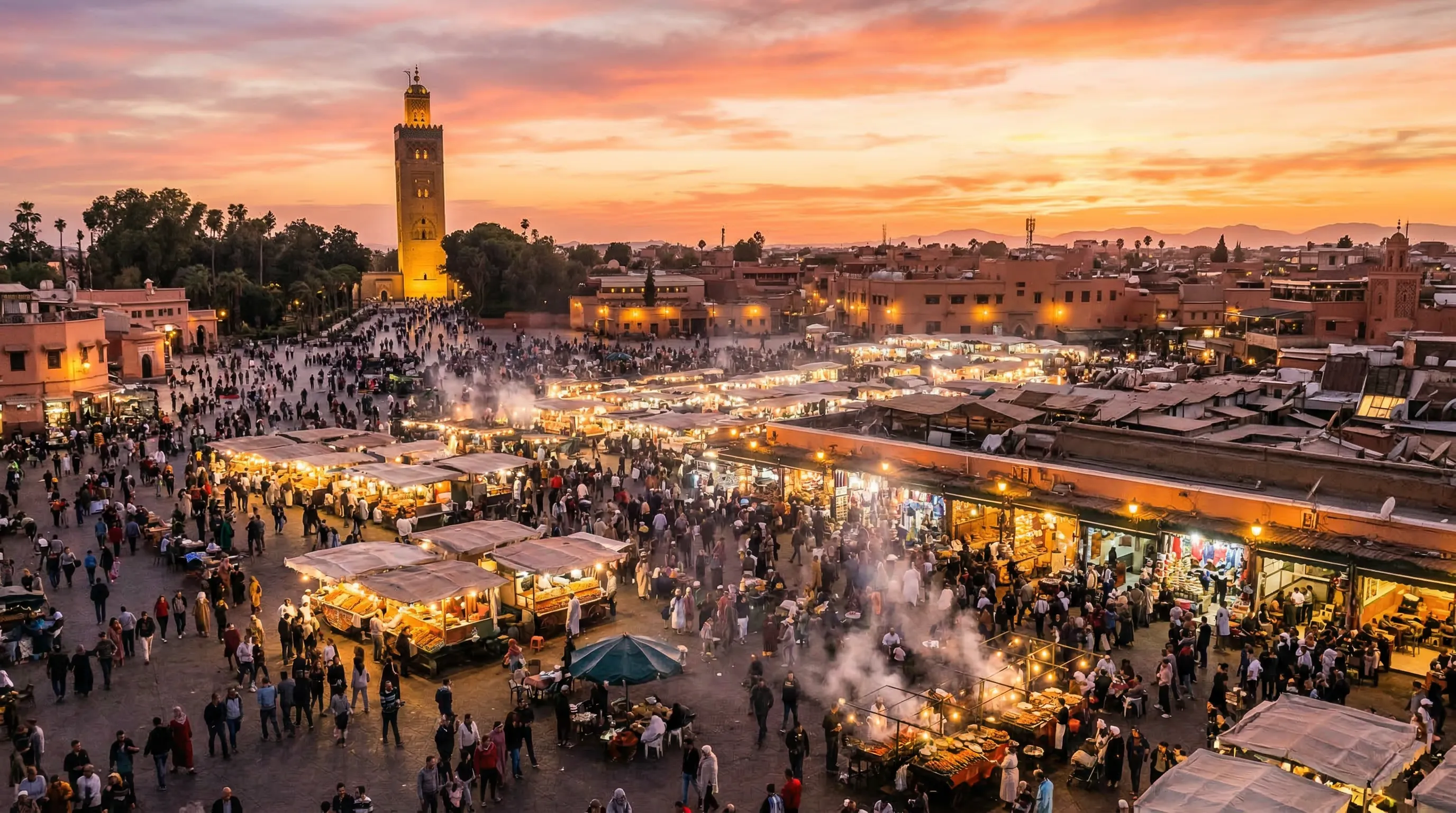
Jemaa el-Fnaa at Dusk
As the sun sinks behind the Koutoubia Minaret, Marrakech's great square transforms. Snake charmers, storytellers, henna artists, acrobats, and food vendors converge under a thousand orange lights and clouds of grilling smoke. The chaos and colour are unmatched anywhere in the world for street photography.
Best MonthsYear-round
Camera Tips
Shoot from the rooftop cafes surrounding the square for wide overviews. Use a fast 35mm or 50mm (f/1.8) for candid portraits in the crowd. Blue hour gives 15 to 20 minutes of balanced ambient and artificial light -- the most magical window. A monopod helps in low light.
Access
Free access. Rooftop cafes charge for drinks but allow photography from terraces.
Morning
Fes
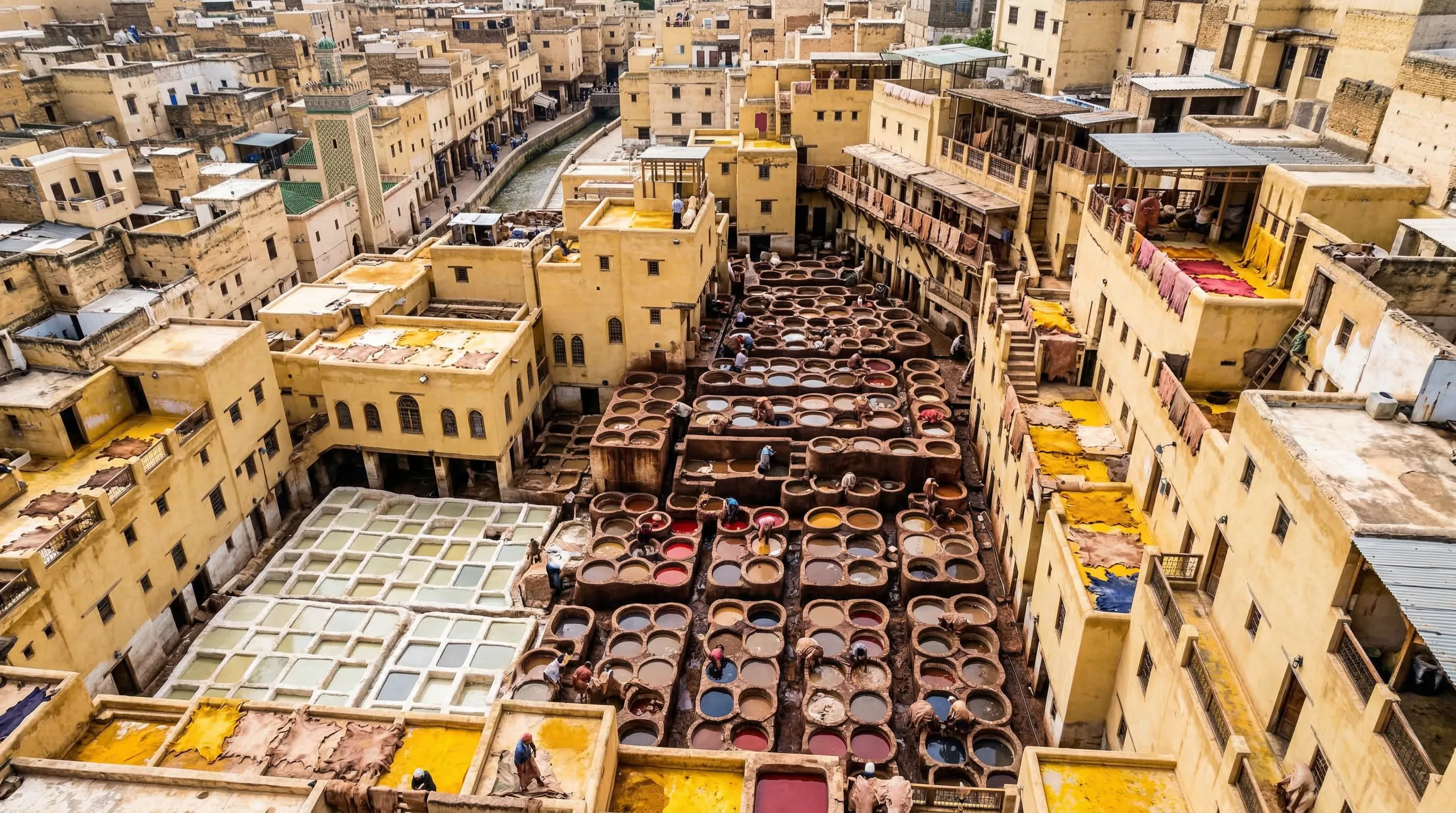
Chouara Tannery from Above
The world's oldest leather tannery dates to the 11th century and is best seen from the surrounding leather shop rooftops. The pits overflow with vivid dyes -- saffron yellow, poppy red, cobalt blue -- creating a living mosaic. Morning light from the east illuminates the dyeing vats directly while the smell of pigeon droppings used in curing adds to the authentic atmosphere.
Best MonthsOctober to April
Camera Tips
Use a 24-70mm for flexibility. Shoot from above to capture the full patchwork of dyeing vats. A polarizing filter reduces glare from wet hides. The workers themselves make extraordinary subjects -- negotiate portraits respectfully.
Access
Free entry via leather shops (they expect a purchase or tip). No tripod permission inside shops.
Dawn
Chefchaouen
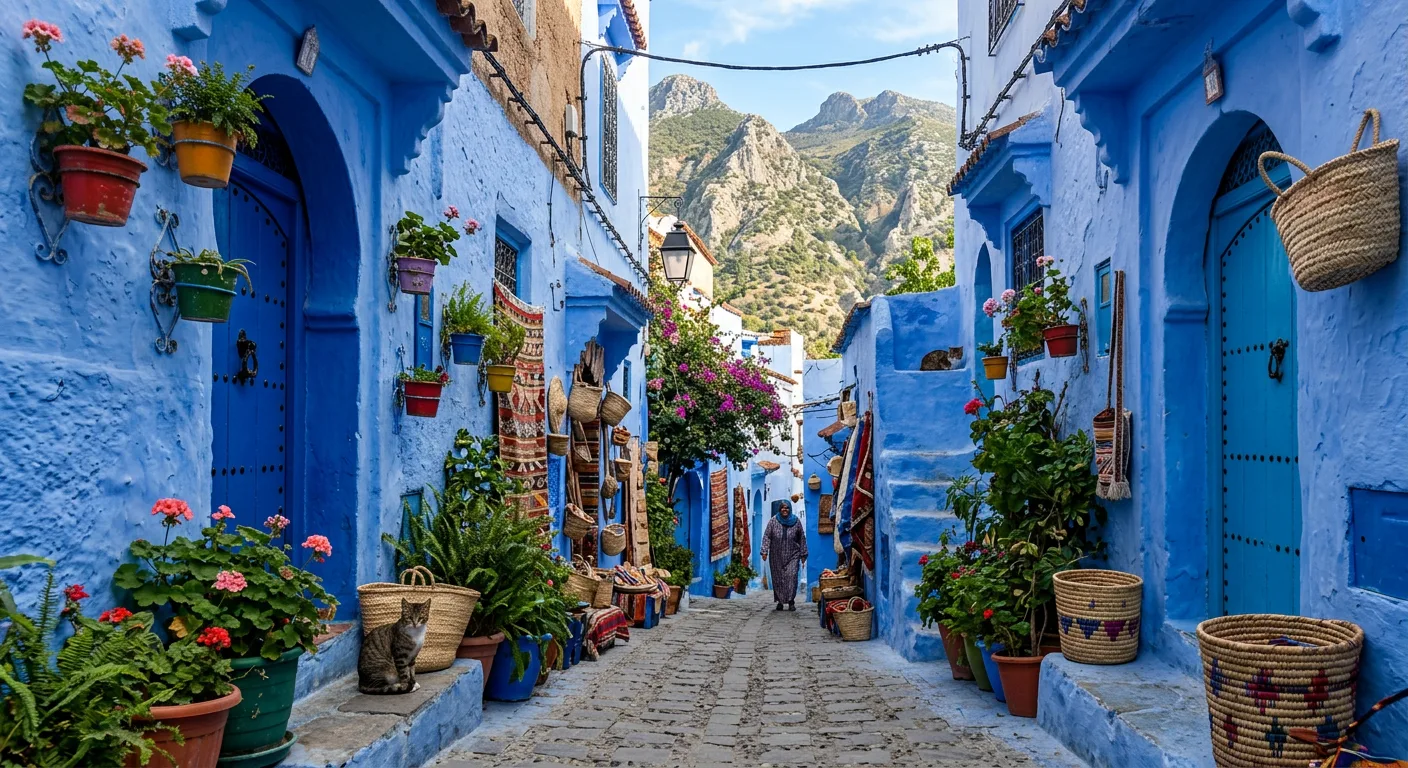
Chefchaouen Blue Streets
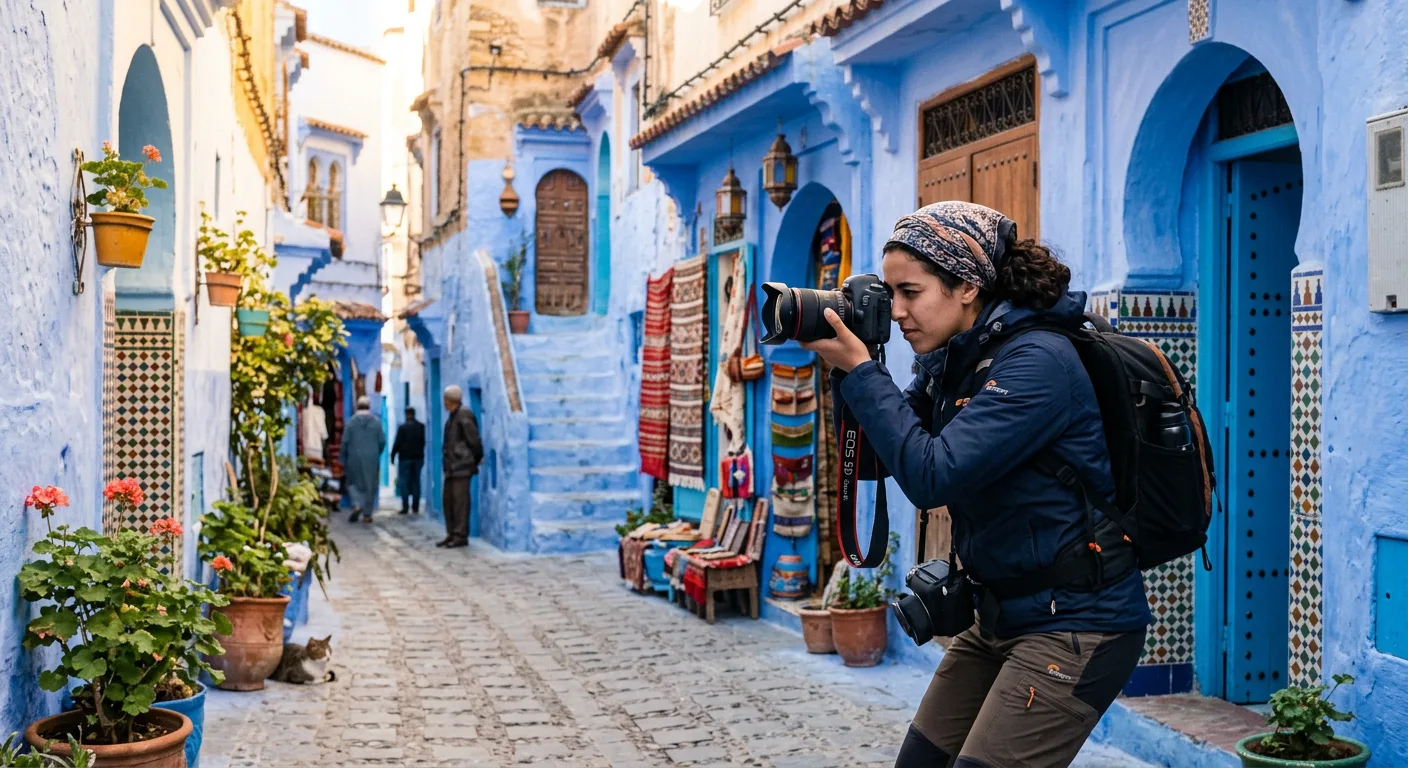
The entire medina of Chefchaouen is painted in shades of cobalt, cerulean, and periwinkle blue -- a phenomenon unique in the world. The narrow alleyways, stairways, and doorways create a labyrinth of blue on blue, interrupted by terracotta pots of geraniums and cats sleeping in shafts of light. Early morning, before tourist crowds arrive, the streets are virtually empty.
Best MonthsApril to June, September to October
Camera Tips
Arrive between 6:00 and 8:00 AM before crowds materialize. A 35mm lens gives a natural perspective for the narrow streets. The Spanish Mosque viewpoint above the town provides a panorama of the entire blue medina against the Rif Mountains -- arrive 20 minutes before sunrise for optimal light.
Access
Free public access. Spanish Mosque viewpoint is a 20-minute uphill walk from the medina.
Sunset
Ouarzazate Region
Ait Benhaddou at Golden Hour
A UNESCO World Heritage Site and Morocco's most-filmed location. The ksar of mud-brick towers rises above the Ounila River bed. The kasbah faces west, which means at sunset the clay walls turn gold, ochre, and deep terracotta against a flame-coloured sky. The last thirty minutes of daylight produce the most extraordinary images.
Best MonthsMarch to May, September to November
Camera Tips
Cross the river to the opposite bank for the classic full-view composition. A 70-200mm telephoto isolates individual towers and battlements. Bring a wide-angle lens for interior alleyways. The west-facing orientation means sunset light strikes the main facade directly.
Access
Free to walk around exterior. Small fee to cross the river via local guides with donkeys. The living village section is inhabited.
Dawn
Merzouga, Sahara
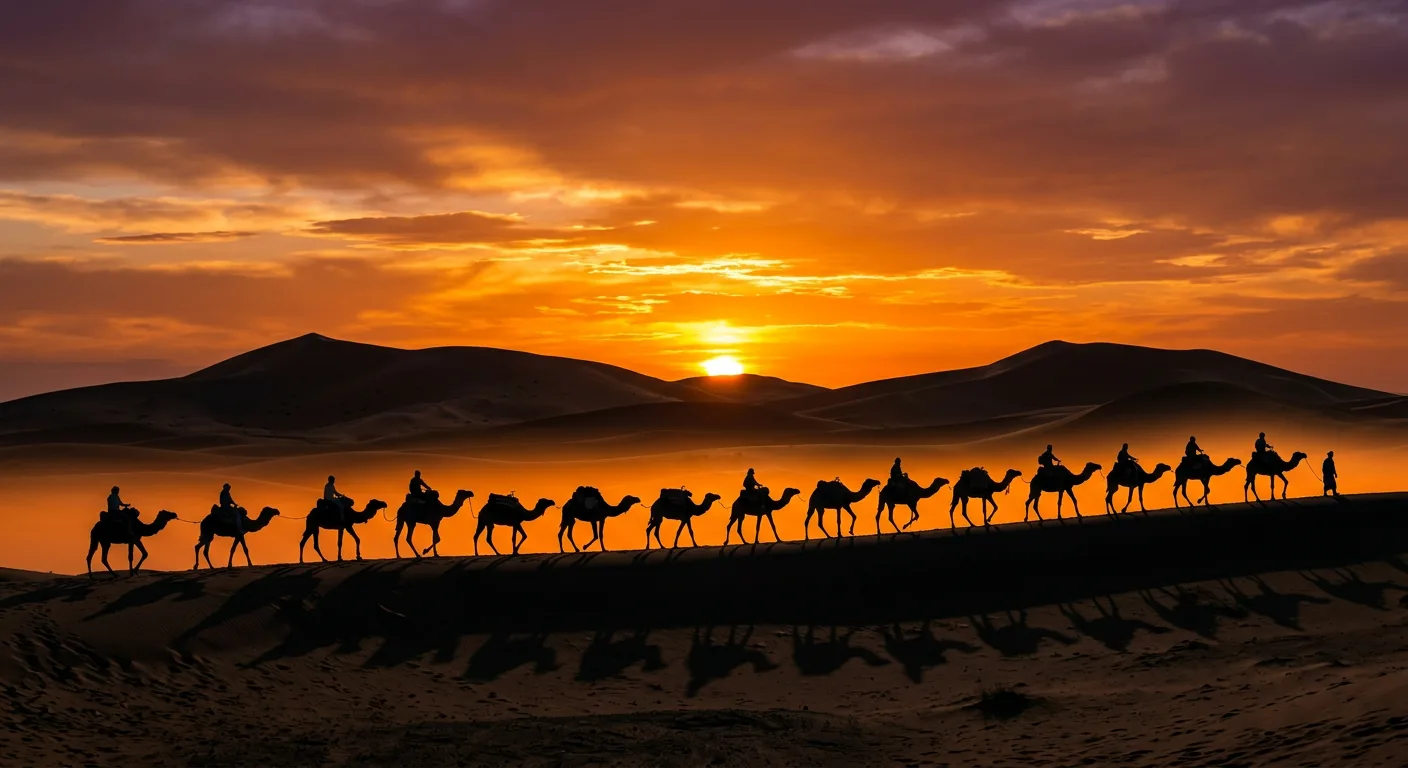
Erg Chebbi Dunes at Sunrise
The tallest dunes in Morocco rise up to 150 metres from the flat hamada. At sunrise, the raking light sculpts every ripple into sharp relief and the shadows shift from purple to amber in minutes. Camel silhouettes against the glowing horizon produce one of the most iconic images in travel photography. Sand texture details are extraordinary.
Best MonthsNovember to March
Camera Tips
Arrive at the dune base 40 minutes before sunrise. A 70-200mm telephoto compresses dune layers beautifully. Use a graduated ND filter to balance the bright sky against dark sand. Keep sensors clean -- desert dust is relentless. A lens cloth and blower brush are essential after every session.
Access
Accessed via Merzouga village. Desert camps arrange pre-dawn camel rides to shooting positions.
Morning
Marrakech
Marrakech Souks
The labyrinthine medina souks are organised by trade: spice sellers, lantern makers, dyers, weavers, leather workers, carpenters. Every few metres the light, colour, and texture changes completely. Shafts of light penetrate the reed ceiling of the covered souk sections, creating dramatic beams that illuminatesubjects in pools of warm light.
Best MonthsYear-round (avoid peak midday heat June to August)
Camera Tips
A 35mm or 50mm prime lens is ideal for authentic street photography without intruding. Position subjects in the natural light beams from above. Increase ISO to 1600-3200 in dark alleyways. Overhead shots of spice mounds and stacked lanterns create extraordinary colour studies.
Access
Free public access. Photography of people requires consent and often a small gesture of appreciation. Tripods are impractical in crowded spaces.
Golden Hour
Essaouira
Essaouira Ramparts and Harbour
Essaouira's 18th-century Portuguese-built sea walls stand directly above the crashing Atlantic. Seagulls wheel in permanent gales, blue fishing boats bob in the harbour, and the white medina rises behind rows of bronze cannons. The combination of ancient stonework, wild sea spray, and swooping birds creates endlessly dynamic imagery.
Best MonthsApril to June, September to November
Camera Tips
Use a polarizing filter to cut through ocean haze. A 70-200mm telephoto captures seabirds in flight and isolates fishing boats against the white city. Shoot upwind to keep spray off the front element. The Skala de la Ville rampart walkway provides a clear elevated platform.
Access
Free access to the rampart walkway. The Skala de la Ville is the premium shooting position.
Morning
Imlil, High Atlas
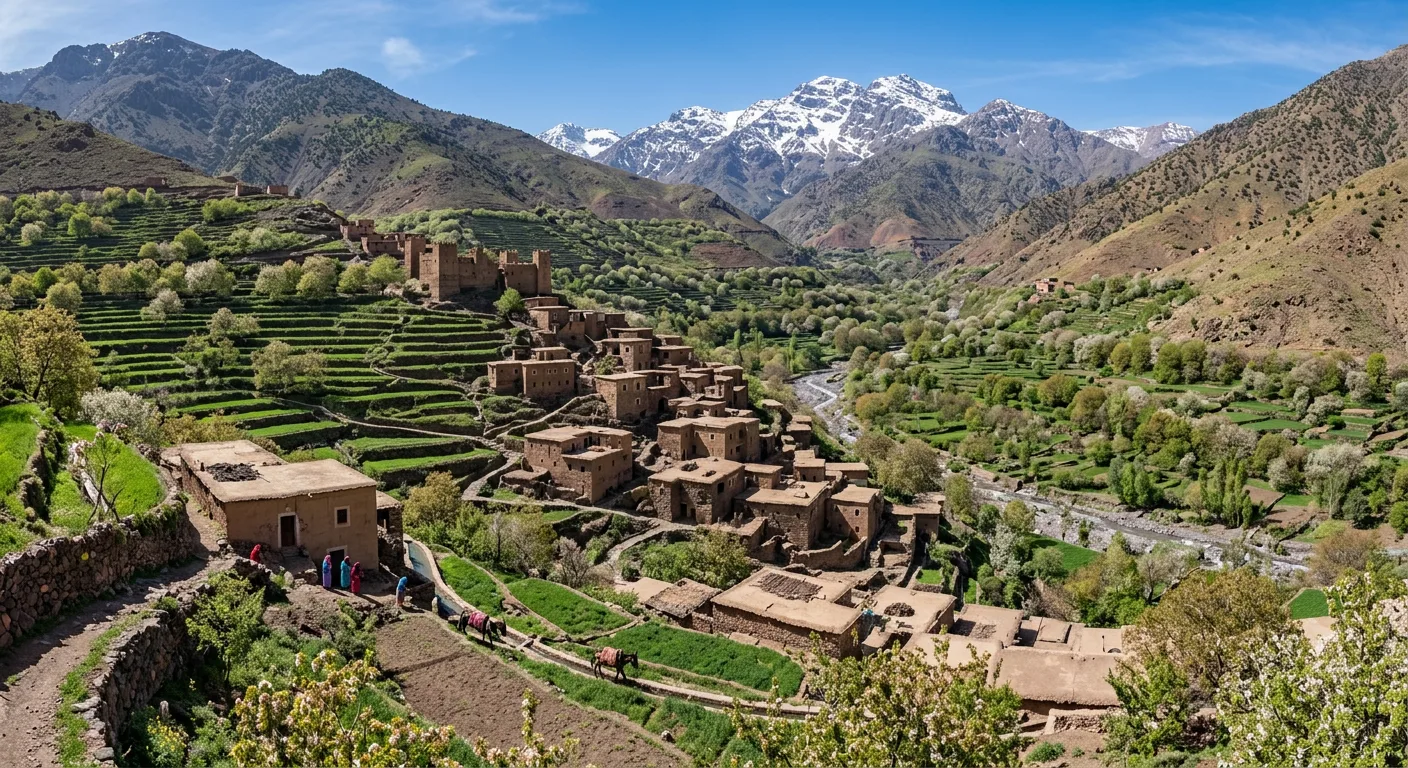
Atlas Mountains Villages
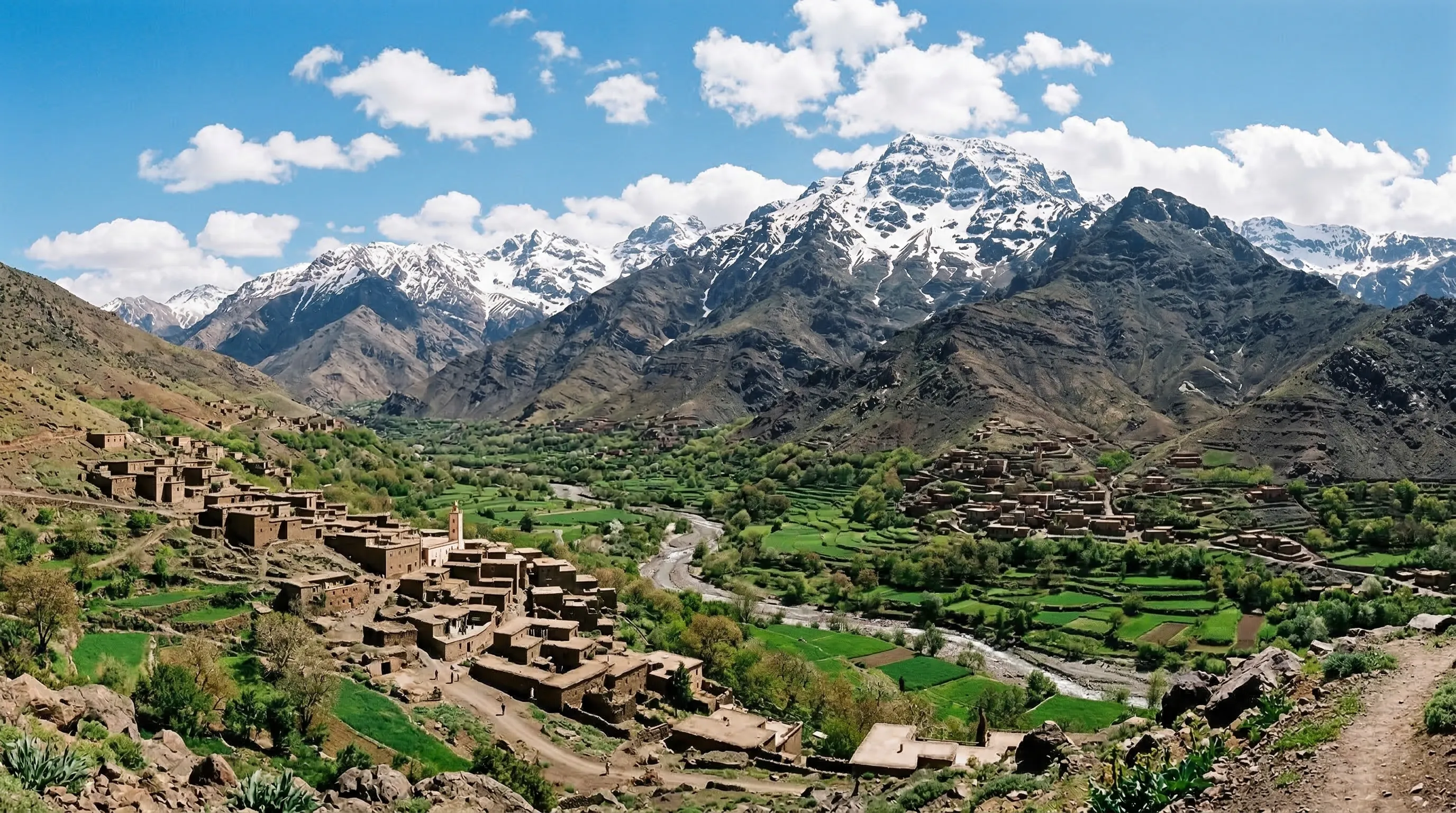
Berber villages cling to terraced mountain slopes above walnut groves and almond orchards in the High Atlas. In winter and spring, snow-capped peaks above 4,000 metres form the backdrop. Environmental portraits here -- farmers working terraced fields, women carrying bundles of fodder, children playing on stone paths -- capture a way of life that has changed little in centuries.
Best MonthsJanuary to April (snow), March to April (almond blossom)
Camera Tips
A 70-200mm compresses mountain layers impressively. Expose for snow carefully -- matrix metering often underexposes bright snowscapes; dial in +1 to +1.5 EV compensation. Polarizing filter intensifies sky contrast against white snow. An 85mm portrait prime captures intimate village scenes.
Access
Accessible from Marrakech in 90 minutes. Imlil village is the main trailhead. A local guide is recommended for cultural access.
Dawn
Marrakech
Marrakech Rooftop Panoramas
From the rooftops of the medina, the entire city spreads in a carpet of terracotta. The Koutoubia Minaret rises above the skyline, the Atlas Mountains shimmer on the horizon, and at dawn the call to prayer echoes across thousands of flat rooftops where satellite dishes and solar panels mix with drying laundry and rooftop gardens.
Best MonthsYear-round
Camera Tips
Many riads offer rooftop access -- book one with a clear western view toward the Atlas range. A 24-70mm handles both panoramic sweeps and tight details. Dawn provides the warmest light and the most atmospheric conditions, especially with morning mist over the palm groves.
Access
Access via your riad rooftop or rooftop restaurants. La Mamounia and El Fenn offer exceptional viewpoints.
How We Photograph
Our Photography Tour Format
A Serenity Morocco photography tour is not a standard sightseeing tour with camera breaks. Every element -- timing, transport, access, group size, and daily schedule -- is designed around the needs of serious image-making. We build itineraries around optimal light, not convenient hours.
Private Photography Guide
Every photography tour includes a dedicated local guide who understands composition, light, and Moroccan culture. They know which alley catches the morning sun, which rooftop has the clearest sightline to the Atlas, and which artisan welcomes photographers. This is the difference between a tourist photograph and a portfolio image.
Small Group Photo Tours
Our group photography tours are limited to a maximum of four to six photographers. This constraint is deliberate -- it ensures every participant has unrestricted access to shooting positions, avoids the "tripod forest" problem at popular locations, and allows the guide to give individual composition advice.
Pre-Dawn Starts for Best Light
Great photography requires commitment to the light. Our itineraries are built around optimal shooting windows, not conventional tourism hours. This means pre-dawn departures for Sahara dune photography, blue-hour positioning at the Hassan II Mosque, and evening sessions in the souks when the light beams penetrate the reed canopies.
Access to Private Locations
Through long-established relationships with local families, artisans, and cultural institutions, we provide access to locations closed to the general public. Private courtyards in Fes medersas, working tannery floors, family-owned riads with exceptional architecture, and rooftop viewpoints that do not appear in guidebooks.
Portrait Access with Local Families
Our guides facilitate portrait sessions with local craftsmen, farmers, musicians, and families who have agreed in advance to be photographed. This eliminates the ethical ambiguity of unasked street photography and produces more authentic, relaxed portraits where subjects are genuinely engaged.
Post-Processing Sessions
Extended tours include evening post-processing workshops where you review the day's images, discuss composition choices, and learn editing techniques specific to Moroccan light and colour. These sessions are led by experienced photographers who understand the particular challenges of high-contrast desert light and dimly lit medina interiors.
Equipment Safety and Transport
Photography equipment is vulnerable in Morocco's diverse environments -- desert dust, sea spray, extreme heat, and the jostling crowds of medina souks. Our vehicles are equipped with secure, padded storage. Your guide carries cleaning supplies and knows which environments require extra precautions.
Medina Photography Sessions
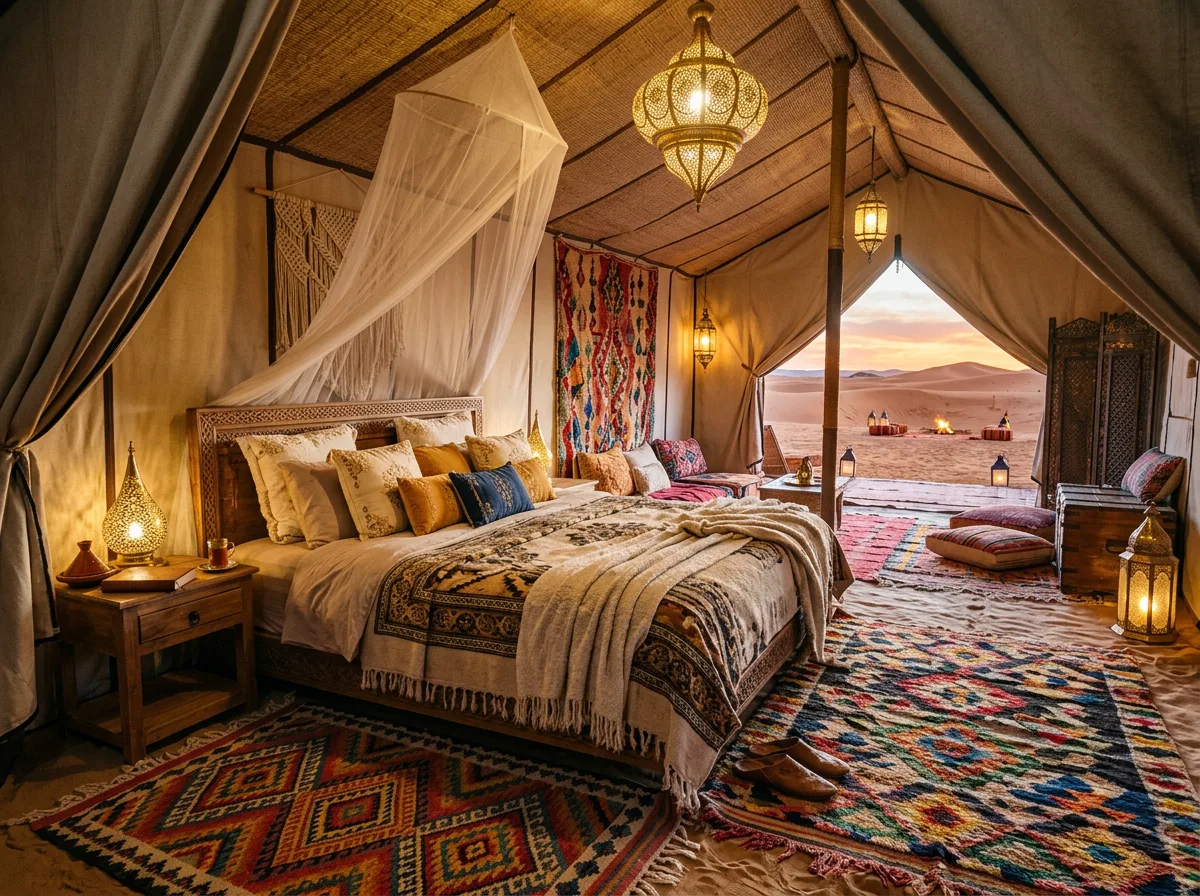
Desert Dawn
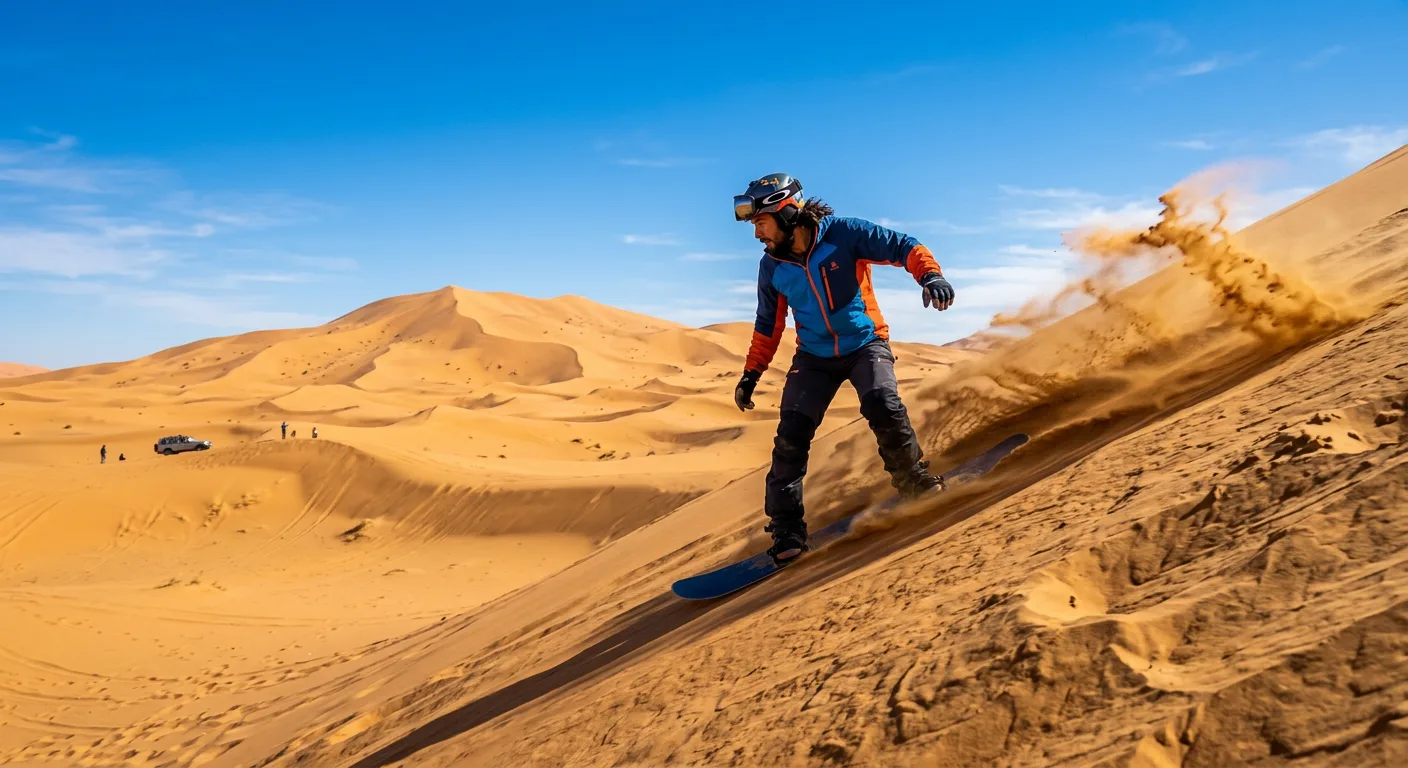
Tannery Access
Every photography tour is fully customisable. Tell us your skill level, preferred subjects, and available dates. We design the rest.
Discuss Your Photography TourWorkshops
Photography Workshops in Morocco
Structured learning experiences taught in the field, using Morocco itself as the classroom. Each workshop combines technical instruction with practical shooting sessions at locations chosen for their teaching value.
01
Composition and Light Fundamentals
BeginnerMorocco is the ideal classroom for learning photographic composition. This workshop covers the rule of thirds, leading lines, framing, symmetry, and the use of light and shadow -- all taught in real locations where these principles produce dramatic results. Medina alleyways teach leading lines. Medersa courtyards teach symmetry. Desert dunes teach the relationship between light direction and form.
Topics Covered
Rule of thirds in real-world compositions
Leading lines in medina alleyways and souk corridors
Symmetry and pattern in Islamic architecture
Understanding directional light in desert and mountain environments
Using shadow as a compositional element
Colour theory in Morocco's vivid palette
02
Street Photography: Ethics and Technique
IntermediateThe souks and squares of Morocco offer some of the richest street photography in the world, but the cultural context requires sensitivity and skill. This workshop teaches both the technical craft of candid photography in challenging light and the ethical framework for photographing people respectfully in a Muslim-majority country.
Topics Covered
Zone focusing for fast, discreet shooting
Working with available light in covered souks
Ethical engagement with subjects before, during, and after
The role of a fixer or guide in cross-cultural photography
Storytelling through sequences rather than single frames
Processing street photography for narrative impact
03
Landscape and Long Exposure
IntermediateFrom the sweeping Sahara to the dramatic Atlantic coast, Morocco offers landscape variety that rivals continents. This workshop covers the technical skills of landscape photography -- filters, tripod technique, focus stacking, and long exposure -- in locations where these techniques produce extraordinary results.
Topics Covered
ND and graduated ND filter technique for desert skies
Long exposure at Atlantic coastal locations
Focus stacking for front-to-back sharpness in dune landscapes
Panoramic stitching for wide desert and mountain vistas
Astrophotography setup and technique in the Sahara
Processing landscape images for natural colour accuracy
04
Portrait Photography Across Cultures
All LevelsMorocco is full of extraordinary faces -- weathered Berber farmers, Gnaoua musicians in vivid costumes, rose harvest workers, tannery craftsmen. This workshop teaches portraiture technique alongside the interpersonal skills needed to create authentic, dignified portraits of people whose culture and language differ from your own.
Topics Covered
Environmental portrait composition in workshops and markets
Using window light in medina interiors and riad courtyards
Working with a translator or guide for portrait access
Directing subjects gently without imposing Western aesthetics
Lens selection for intimate versus environmental portraits
Post-processing skin tones in warm Moroccan light
05
Architecture and Interior Photography
Intermediate to AdvancedMorocco's Islamic architecture -- medersas, mosques, riads, kasbahs -- presents unique photographic challenges: extreme dynamic range between sunlit courtyards and shadowed interiors, complex geometric patterns that demand precise alignment, and interior spaces where tripods may not be permitted.
Topics Covered
Wide-angle lens control for architectural distortion
HDR bracketing for extreme contrast in courtyard-to-interior transitions
Symmetry alignment and perspective correction in post-processing
Detail photography of zellige tilework, carved plaster, and cedar screens
Night photography of mosques and kasbahs
Handheld techniques for interiors where tripods are prohibited
Gear Guide
Essential Equipment for Morocco
What to pack for Morocco's diverse environments -- from Sahara dust to Atlantic sea spray, from the dim interiors of ancient medersas to the blinding light of mountain snowfields.
Camera Bodies
Mirrorless full-frame (Sony A7 series, Nikon Z, Canon R) -- superior autofocus and low-light capability for night and souk photography
A weather-sealed body is strongly recommended -- fine dust and occasional rain are constant hazards in Morocco
Bring a backup body if possible -- camera repairs are not available outside Casablanca and Marrakech
APS-C sensor systems are an excellent alternative for significant weight reduction without sacrificing quality
Lenses
16-35mm f/2.8: Architecture interiors, courtyard wide-angles, and medina alleyways where space is tight
24-70mm f/2.8: All-purpose versatility for travel, documentary, and moderate landscapes
70-200mm f/2.8: Souk details, portraits from a respectful distance, and Sahara dune compression
14mm f/1.8 or 15mm f/2: Dedicated astrophotography and vast starscapes from the Sahara
85mm or 100mm portrait prime: Rose Festival, Gnaoua musicians, tannery workers, and intimate environmental portraits
Filters
Circular polarizer (CPL): Essential for Atlantic coast photography, mosque reflections, and blue sky contrast against white buildings
ND filter (3-6 stops): Long exposures at Hassan II Mosque pools, Essaouira sea spray, and market crowd-blur effects
Graduated ND: Balances bright Sahara sky against shadowed sand in landscape compositions
UV filter: Protects front element from fine desert dust particles -- a worthwhile insurance policy
Accessories
Lightweight carbon-fibre tripod: Essential for night sky photography, architectural interiors, and long-exposure work
Sensor cleaning kit with blower and swabs: Desert dust will enter camera bodies regardless of weather sealing
Remote shutter release or smartphone trigger: Eliminates camera shake during long exposures
Minimum four SD cards (64-128GB each) plus a portable hard drive or SSD for daily backups
Silica gel packets: Protect sensitive electronics from humidity in coastal cities like Essaouira
Power and Charging
Morocco uses Type C and Type E sockets (European standard, 220V) -- bring an appropriate adapter
Minimum two spare batteries per camera body -- cold Sahara nights drain lithium batteries rapidly
Portable power bank (minimum 20,000mAh) for extended desert camp stays without mains electricity
Universal travel adapter with surge protection to guard against voltage fluctuations
Protection
Padded camera insert bag that fits inside a daypack -- do not advertise expensive equipment in crowded medinas
Dry bags for camera bodies in Essaouira sea spray and during rainy Atlas Mountain conditions
A minimum of ten microfibre cloths -- these are used constantly in dusty desert environments
Verify your travel insurance explicitly covers camera gear against theft, damage, and loss in transit
Mirrorless vs DSLR in Morocco
Mirrorless cameras offer significant advantages in Morocco's challenging environments. Smaller, lighter bodies reduce fatigue on long medina walks and mountain hikes. Electronic viewfinders show exposure in real-time, invaluable in the extreme contrast of courtyard photography. However, DSLRs remain excellent -- their optical viewfinders consume less battery power, critical when electricity may not be available for days in desert camps. Regardless of system, ensure weather sealing. Fine Saharan dust penetrates conventional camera bodies within hours and can damage sensors, shutters, and lens mechanisms permanently without proper care.
Ethics & Etiquette
Respectful Photography in Morocco
Morocco is a deeply hospitable country but photography carries cultural responsibilities. These principles enable meaningful, authentic images while honouring the people and places you photograph.
Always ask permission for portraits
EssentialMake eye contact, gesture toward your camera, and wait for a nod before shooting. A small gesture of appreciation -- 5 to 10 MAD -- is customary and appreciated, especially from vendors, performers, and artisans who rely on tourism. The best portraits come from genuine human connection, not stealth.
Never photograph women without explicit consent
EssentialIn conservative areas of Morocco, photographing women without clear permission is considered deeply disrespectful. Many women will decline -- accept this graciously and move on. In urban areas attitudes are more varied but the same fundamental courtesy applies everywhere.
No photography inside active mosques
EssentialNon-Muslims are generally not permitted inside mosques in Morocco. Even when exceptions are made, photography inside active mosques is almost always prohibited. The Hassan II Mosque in Casablanca is the notable exception where guided tours are permitted for all faiths and photography is allowed.
Souks: relationship before lens
In the souks and markets, the most rewarding approach is to build a brief relationship before raising your camera. Buy a handful of spices, admire the craftwork, exchange a greeting in Darija. Many artisans are genuinely proud of their work and delighted to be photographed once they feel respected.
Discretion during prayer times
The five daily prayer times are sacred. Avoid setting up equipment near mosques, mausoleums, or religious shrines during the adhan (call to prayer) and the prayer period that follows. This is not a legal requirement but a matter of basic respect for the devotional atmosphere.
Delete images when asked
EssentialIf a subject realises they have been photographed and is unhappy, delete the image immediately in their presence. This is both ethical practice and the respectful approach in Moroccan culture. Arguing is never appropriate and will draw hostile attention from bystanders.
Extra care with children
EssentialNever photograph children without clear parental consent. Be especially cautious around schools, residential neighbourhoods, and local markets. Many experienced photographers work with a local guide who can navigate these conversations appropriately in Darija or Amazigh.
Performers expect payment for photographs
Snake charmers, henna artists, and performers at Jemaa el-Fnaa who see you photograph them will immediately request payment, often quite assertively. Either negotiate a price before shooting, put the camera away, or use a telephoto lens from a distance and accept that payment may still be expected.
Seasonal Guide
Photography By Season
Morocco is photogenic year-round, but each season offers a distinct palette, subject matter, and quality of light. Plan your trip around what you want to capture.
Spring
March to MayLight Quality
Exceptional -- long golden hours, dramatic cloud formations, clean atmospheric conditions
Highlights
Rose Festival in the Dades Valley, green Atlas slopes, wildflower carpets, almond blossom in February to March, migratory birds
Photographer's Notes
The most photogenic season across the entire country with balanced light and moderate temperatures
Almond blossom in the Ourika Valley and around Imlil peaks in late February to early March
Migratory birds make spring excellent for wildlife photography at wetland reserves
Book accommodation months ahead for the Rose Festival in early May
Summer
June to AugustLight Quality
Harsh midday but exceptional golden hour -- extended evening shooting windows with late sunsets
Highlights
Gnaoua Festival in Essaouira (June), Atlantic coast breezes, spectacular late sunsets, star photography in the desert
Photographer's Notes
In the Sahara and south, photograph exclusively within 90 minutes of sunrise and sunset to avoid extreme heat and harsh light
Coastal cities Essaouira, Agadir, and Casablanca enjoy Atlantic breezes and comfortable shooting conditions
Carry twice the water you expect to need in any desert environment
Equipment protection is critical -- a sun shade prevents camera bodies overheating in direct sun
Autumn
September to NovemberLight Quality
Balanced and warm -- comfortable temperatures enable all-day shooting across every region
Highlights
Date harvest in the Draa and Tafilalet oases, walnut foliage turning gold in the Atlas, thinning tourist crowds
Photographer's Notes
Arguably the most balanced season for photography with pleasant temperatures from coast to desert
October date harvest in the Draa Valley and Tafilalet oases is visually spectacular and culturally rich
Walnut groves around Imlil turn gold in October providing Atlas Mountain colour
Tourist crowds thin significantly after September compared to the spring peak season
Winter
December to FebruaryLight Quality
Outstanding -- the sun stays low all day, producing golden-hour quality light for six or more hours
Highlights
Snow-capped Atlas peaks, darkest Sahara skies for astrophotography, lowest tourist numbers, extraordinary low-angle light
Photographer's Notes
Effectively six or more hours of quality soft light daily as the sun never climbs high above the horizon
High Atlas peaks are snow-capped creating dramatic contrast against blue skies
The Sahara offers its darkest, clearest skies for astrophotography in winter months
Cold desert nights require warm layers and spare batteries as low temperatures drain power rapidly
Light Planning
Golden Hour Reference
Approximate sunrise and sunset times for Marrakech (central Morocco, UTC+1). Times vary by up to 45 minutes between northern cities (Tangier) and the southern Sahara. Always verify exact times with a planning app before shooting.
| Month | Sunrise | Sunset | Golden Hour |
|---|---|---|---|
| January | 08:00 | 17:50 | 35 min |
| February | 07:40 | 18:20 | 40 min |
| March | 07:05 | 18:45 | 45 min |
| April | 06:20 | 19:10 | 50 min |
| May | 05:50 | 19:35 | 55 min |
| June | 05:35 | 19:55 | 60 min |
| July | 05:45 | 19:50 | 55 min |
| August | 06:10 | 19:20 | 50 min |
| September | 06:35 | 18:40 | 45 min |
| October | 07:00 | 17:55 | 40 min |
| November | 07:30 | 17:20 | 35 min |
| December | 07:55 | 17:10 | 30 min |
Note: Golden hour duration refers to the period of optimal warm, directional light near the horizon. Blue hour (approximately 15 to 20 minutes before sunrise and after sunset) is equally important for architectural and cityscape photography. Use apps such as PhotoPills or The Photographer's Ephemeris for precise location-specific planning.
Book Your Private Tour
Book Your Private Morocco Photography Tour
Every trip we design puts you in the right place at the right time, with the right access. Tell us your camera, your skill level, and what you want to photograph. We build the rest -- the light, the locations, the access, the guide, the transport.
Ready to Make Your Best Images?
Our photography guides have spent years learning every angle, every light condition, and every cultural nuance. Let them share that knowledge with you.
Start Planning