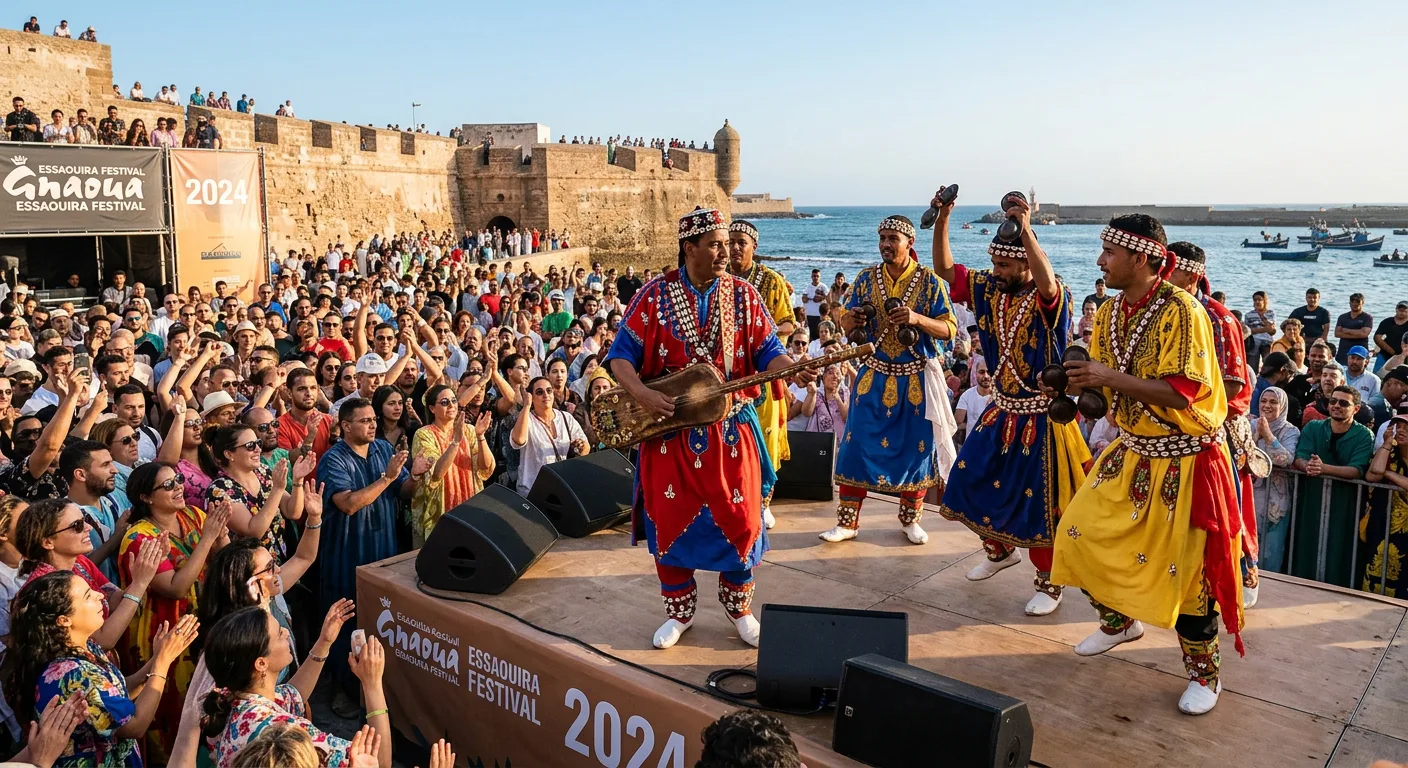
Where to Hear Live Music in Morocco
Morocco Live Music Guide
Gnawa, Andalusian & Beyond
From the Gnawa circles of Djemaa el-Fna to the sacred music courtyards of Fes, from Essaouira's Atlantic-blown festival stages to Casablanca's jazz bars. Where to hear real music in Morocco.
The Complete Venue Guide
Where Music Lives in Morocco
Morocco is not a country where music happens only in concert halls. It happens in the squares, the souks, the hammams, the riads, the roadside tea houses, and the desert camps. Music in Morocco is embedded in daily life, in spiritual practice, and in the rituals of community in ways that have no equivalent in most Western countries.
This guide covers where to find live music across six Moroccan cities, from the formal concert venues of Rabat to the spontaneous street sessions of Chefchaouen. For each venue, we provide the type of music, when it happens, what it costs, and practical advice from people who have been there.
For a deeper understanding of Moroccan musical traditions -- Gnawa, Andalusian classical, Chaabi, Amazigh, and more -- see our companion pages: Moroccan Music Heritage and Music Masterclass. This page is about the where.
8 Venues
Marrakech
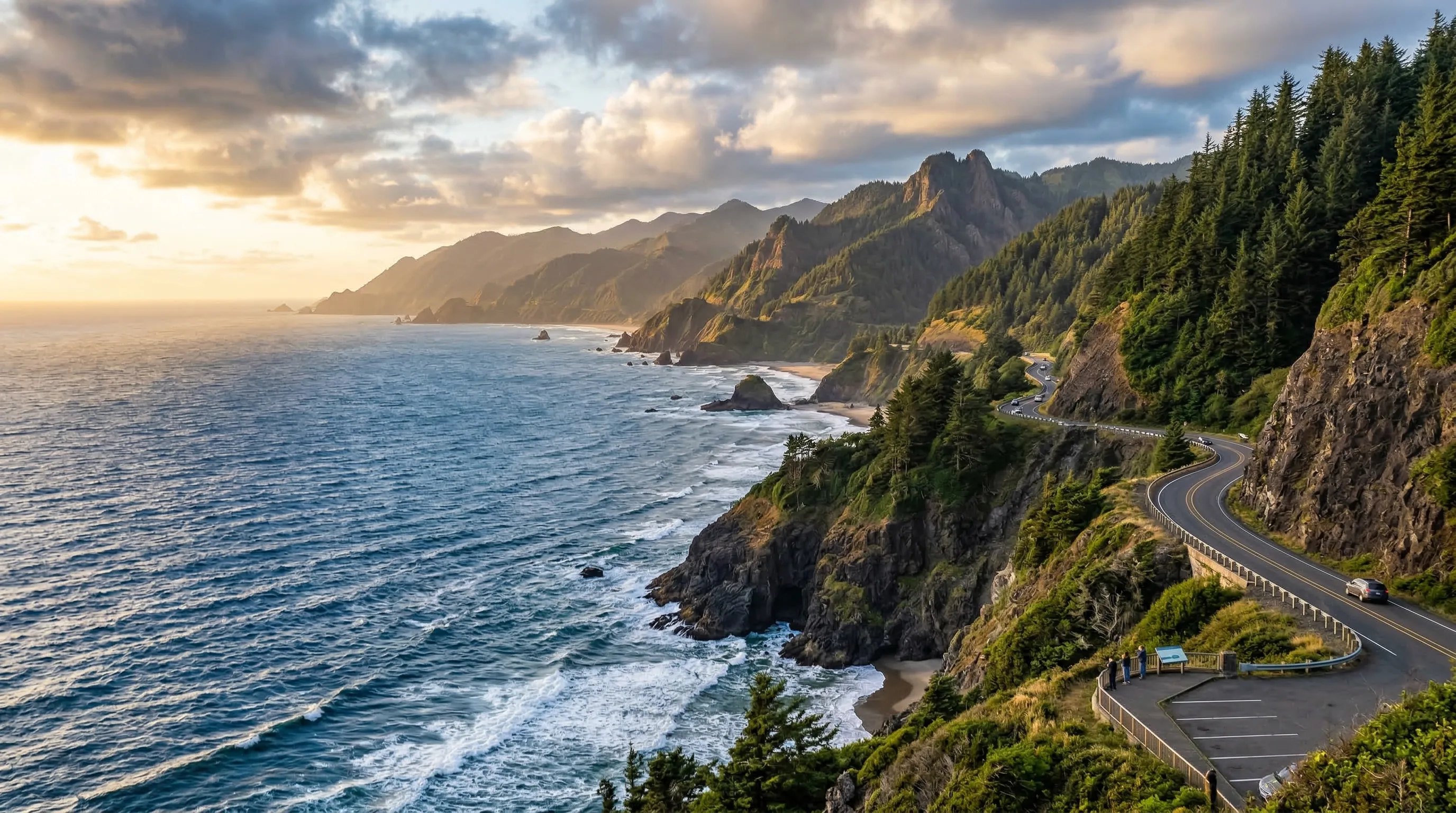
The Red City offers the widest range of live music in Morocco, from the raw, unscripted street performances of Djemaa el-Fna to sophisticated dinner shows and intimate riad concerts. Music here is not staged for tourists alone -- it is woven into the fabric of daily life, heard in the hammams, the souks, and the evening air.
01
Djemaa el-Fna: Gnawa Circles
Gnawa trance, Chaabi folk, Aissawa brotherhoodsAs the sun sets, Gnawa musicians form circles on the great square, playing the guembri and krakeb in hypnotic, repetitive patterns that build in intensity over hours. Spectators gather in concentric rings. The experience is raw, unpredictable, and deeply authentic -- this is not a show but a living tradition performed in the same square for centuries.
When
Nightly from dusk, most active between 8:00 PM and midnight
Cost
Free to watch. A donation of 10-20 MAD is expected if you join the inner circle or photograph.
Insider Tip
Stand in the outer ring first to observe. Moving closer signals willingness to donate. The snake charmer musicians operate separately and will approach aggressively if photographed.
02
Djemaa el-Fna: Storytellers and Chaabi Bands
Chaabi folk, oral storytelling with musical accompanimentAlongside the Gnawa circles, the square hosts Chaabi (popular folk) bands, storytellers who chant narrative poetry, and Aissawa brotherhood performers whose trance rituals can be intense and physical. Each group draws its own crowd, creating a mosaic of simultaneous musical experiences.
When
Nightly from around 7:00 PM
Cost
Free to watch. Donation expected.
Insider Tip
The storytellers perform primarily in Darija (Moroccan Arabic) and their art is linguistic as much as musical. Even without understanding the words, the rhythm and crowd response are captivating.
03
Kechmara
Live jazz, fusion, contemporary MoroccanA contemporary bar and restaurant in the Gueliz (new town) district that hosts live jazz, fusion, and contemporary music on Thursday nights and occasional weekends. The atmosphere is urban and cosmopolitan -- Marrakech's creative class gathering in a space that would not be out of place in Paris or Brooklyn.
When
Thursday evenings, occasional weekends. Check their social media for schedule.
Cost
No cover charge. Food and drink prices are moderate for Gueliz.
Insider Tip
Arrive by 9:00 PM for a good seat. The rooftop terrace offers Atlas Mountain views but the music is inside on the ground floor.
04
Comptoir Darna
Moroccan orchestral, belly dance accompaniment, arranged traditionalA legendary Marrakech institution offering nightly dinner shows that combine live Moroccan musicians, belly dance, and theatrical lighting in an opulent setting. The music is arranged rather than improvised -- polished, choreographed, and designed to accompany a multi-course Moroccan dinner.
When
Nightly dinner shows from approximately 9:00 PM
Cost
Dinner reservation required. Expect to spend 400-800 MAD per person for dinner and drinks.
Insider Tip
Book in advance, especially for weekend evenings. Request a table near the performance area. The show builds in energy and the later acts are more dynamic.
05
Cafe des Epices
Gnawa, traditional MoroccanA rooftop cafe overlooking the Rahba Qedima spice market that hosts Gnawa musicians on weekend afternoons. The informal setting -- mint tea, rooftop views, and the sounds of the medina below -- creates an intimate, unhurried atmosphere for experiencing traditional music.
When
Weekend afternoons, typically from 3:00 PM. Schedule varies seasonally.
Cost
No cover. Order tea or food to support the venue.
Insider Tip
The rooftop fills quickly on weekends. Arrive early for the best seats. The musicians are local and the music is genuine, not a tourist performance.
06
Riad Kniza Restaurant
Traditional Moroccan classical, AndalusianAn elegant riad restaurant that occasionally hosts traditional Moroccan musicians during dinner service. The setting is a candlelit courtyard with zellige tilework and fountain, and the music -- typically oud, violin, and vocals -- creates an atmosphere of refined intimacy.
When
Select evenings during dinner service. Inquire when booking.
Cost
Dinner reservation required.
Insider Tip
The music here is background rather than performance -- soft, elegant, and suited to conversation. It provides the most refined musical dining experience in the medina.
07
Le Jad Mahal
Arranged Moroccan music with contemporary productionAn upscale venue in Hivernage that combines dinner with live entertainment in a dramatic, theatrical setting. The shows blend Moroccan music with contemporary production values -- lighting, choreography, and a full band.
When
Nightly dinner shows, typically from 9:30 PM
Cost
Dinner reservation required. Premium pricing.
Insider Tip
The production quality is high but the music is arranged for entertainment rather than authenticity. Suitable for a glamorous evening out.
08
Theatre Royal
Classical, Andalusian orchestral, theatrical performancesMarrakech's formal concert venue hosts classical music events, theatrical performances, and occasional international touring artists. The Andalusian classical orchestra performs here periodically, offering the most formal concert experience in the city.
When
Scheduled performances. Check local listings and cultural calendars.
Cost
Ticketed events with variable pricing.
Insider Tip
The Andalusian classical concerts are rare and worth attending when scheduled. Dress is semi-formal. The acoustic quality of the hall is good.
5 Venues
Fes
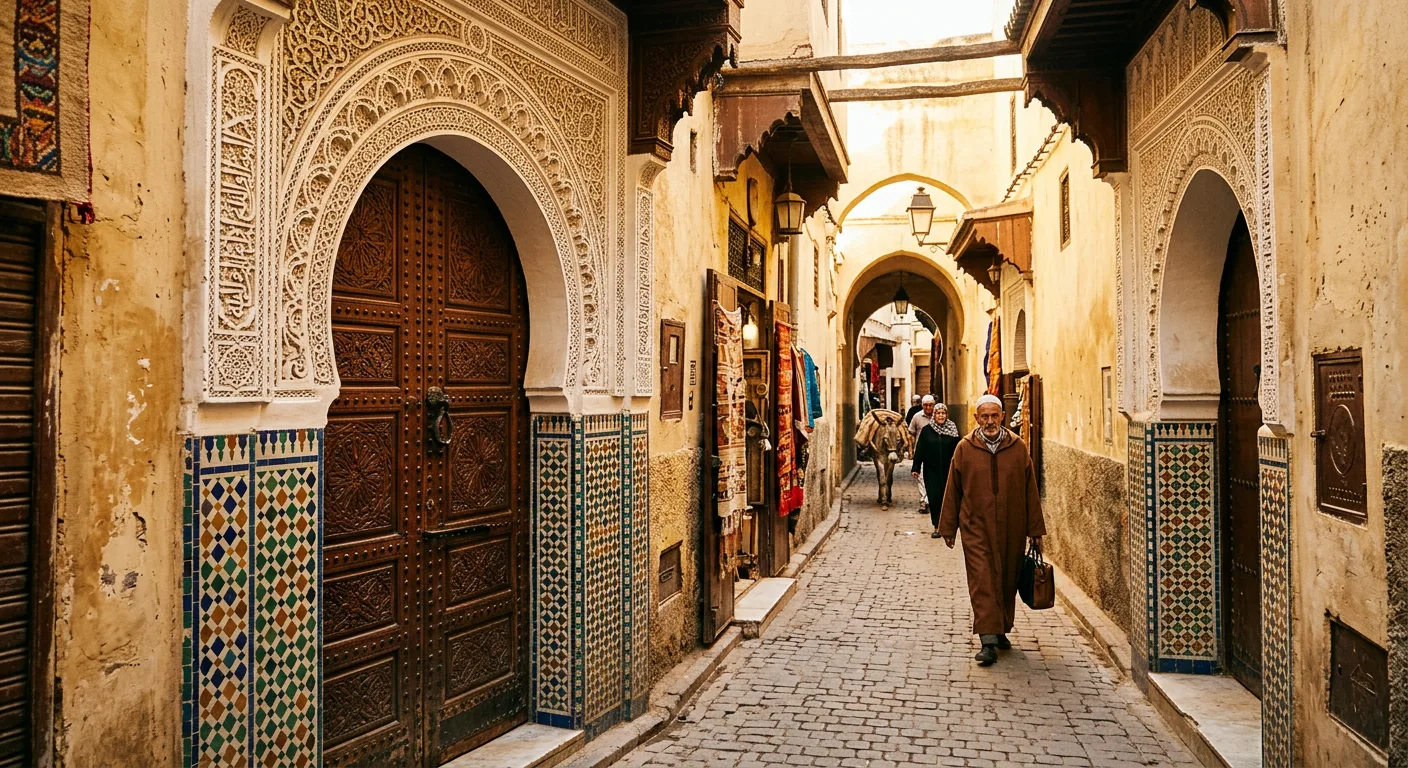
The spiritual capital of Morocco is also its most important centre for classical music. The Andalusian tradition has been preserved here for over five hundred years, and the annual Festival of World Sacred Music draws performers from every continent. Fes offers music of intellectual depth and spiritual gravity that no other Moroccan city can match.
01
Bab Boujloud Area Evenings
Street Gnawa, Chaabi folk, informal Sufi chantingThe streets around the Blue Gate come alive in the evening with informal street musicians, Gnawa performers, and Chaabi bands. The acoustic quality of the narrow medina streets amplifies the sound, creating an immersive musical environment that surrounds you as you walk.
When
Evenings from dusk, most active Thursday and Friday nights
Cost
Free. Donation expected for close engagement.
Insider Tip
Thursday evening (the eve of the Muslim holy day) brings the most street musicians. The area around Bab Boujloud is the natural gathering point for evening entertainment.
02
Dar Batha Museum Courtyard
Andalusian classical, traditional court musicThe former royal palace, now a museum of traditional arts, hosts concerts in its enclosed courtyard. The acoustics of the tiled courtyard walls create a natural reverb that enhances traditional instruments. Andalusian classical music performances here are among the finest in Morocco.
When
Scheduled performances, often during the Sacred Music Festival and cultural events.
Cost
Ticketed events. Museum entry separate.
Insider Tip
The courtyard seating is limited -- arrive early for the best acoustic positions near the centre. The tilework and carved cedar create a visual setting that equals the musical experience.
03
Institut Francais de Fes
Contemporary, cross-cultural collaborations, jazz, world musicThe French cultural institute hosts a regular programme of contemporary and cross-cultural concerts, film screenings, and artistic events. The programme bridges Moroccan and international music, often featuring collaborations between local and visiting musicians.
When
Regular scheduled events throughout the year. Programme published monthly.
Cost
Variable. Many events are free or low-cost.
Insider Tip
Check their website or physical noticeboard for the monthly programme. Events are well-attended by Fes's intellectual community.
04
Riad Laaroussa: Private Gnawa Ceremonies
Gnawa lila ceremony (spiritual trance healing)Several riads in Fes, including the well-regarded Riad Laaroussa, can arrange private Gnawa lila (all-night healing ceremonies) for guests. These are not performances but genuine spiritual events with a maalem and his troupe. The experience is intense, immersive, and unlike any concert.
When
Arranged privately, typically beginning at 10:00 PM and continuing until dawn.
Cost
Private arrangement. Fees are negotiated with the maalem through the riad.
Insider Tip
This is a spiritual ceremony, not entertainment. Approach with respect and openness. The maalem will explain protocols. Photography should be discussed in advance. The trance elements can be intense.
05
Festival of World Sacred Music
World sacred music across all traditionsHeld annually in June, this is one of the most prestigious music festivals in the world. Performers from every religious and musical tradition -- Sufi qawwali from Pakistan, gospel from the American South, Gregorian chant, Japanese Gagaku, Indian classical -- perform in the courtyards and gardens of Fes. The juxtaposition of ancient sacred music with the medieval medina is extraordinary.
When
June, approximately one week. Exact dates announced annually.
Cost
Ticketed events ranging from free open-air concerts to premium reserved seating.
Insider Tip
Book accommodation months in advance. The free concerts at Bab Boujloud are outstanding. The ticketed evening concerts in Bab Makina courtyard are the festival's crown jewels. This is a transformative cultural experience.
5 Venues
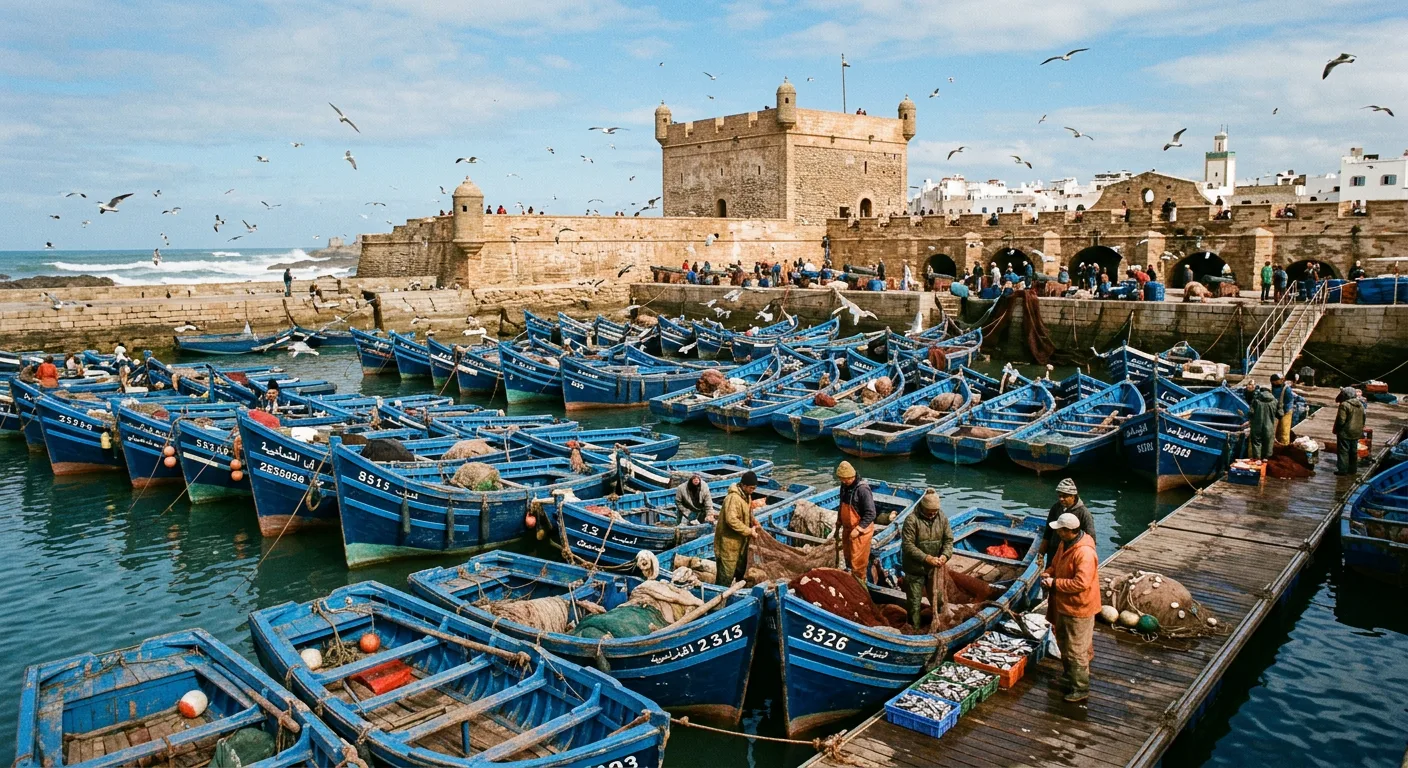
Essaouira
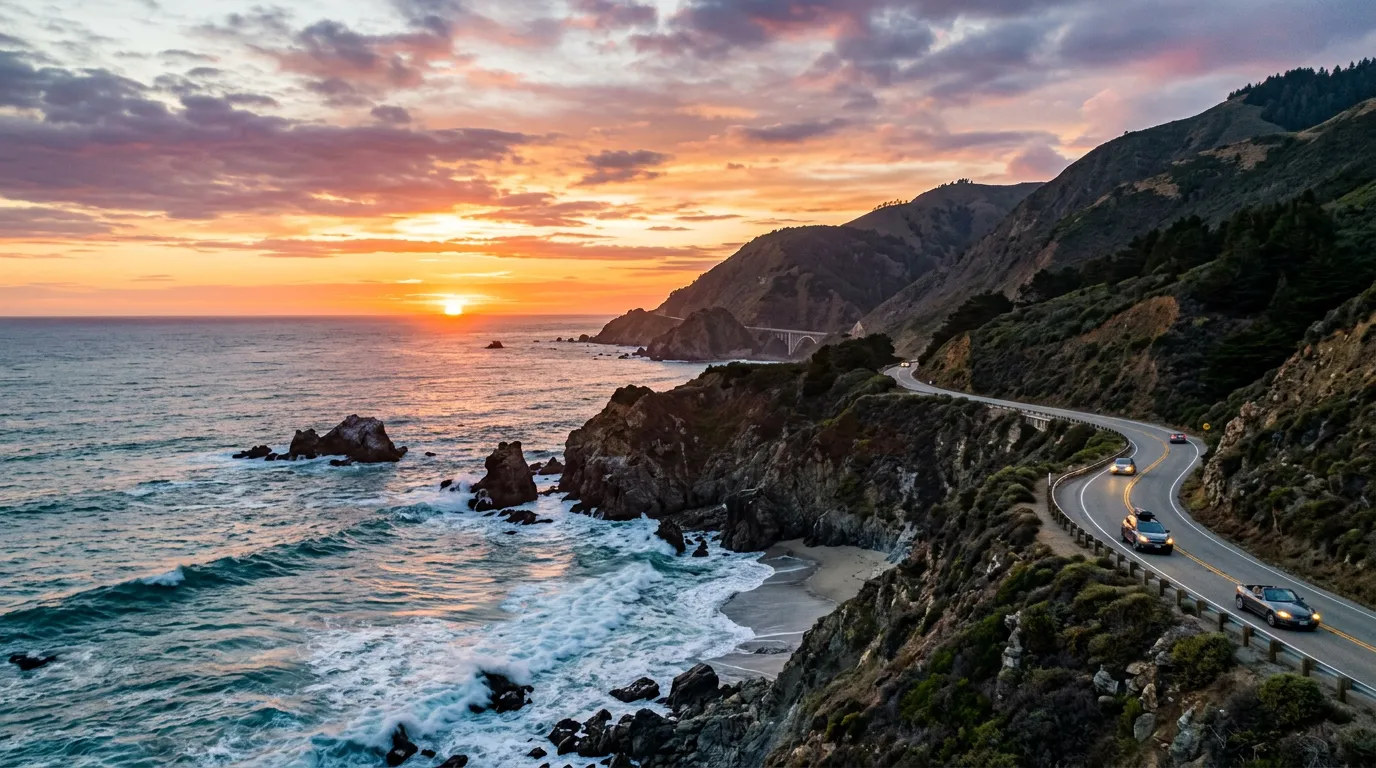
The Atlantic wind city is the spiritual home of Gnawa music in Morocco. The annual Gnawa and World Music Festival has made Essaouira synonymous with this trance tradition, but Gnawa musicians perform here year-round in the squares, cafes, and medina courtyards. The city's cultural identity is inseparable from its music.
01
Gnawa and World Music Festival
Gnawa, world music, jazz fusion, cross-cultural collaborationsThe annual festival, typically held in June, transforms the entire city into a multi-stage concert venue. Free outdoor stages on the beach and in the medina host Gnawa maalemin alongside international collaborators -- jazz musicians, rock bands, electronic artists. The festival draws audiences from across the world and the atmosphere is electric.
When
June, approximately four days. Exact dates announced annually.
Cost
Many stages are free. Premium reserved seating available for headline concerts.
Insider Tip
The free beach stage on Saturday evening is legendary. Accommodation sells out months ahead -- book early. The daytime workshops and jam sessions in the medina are more intimate than the headline shows.
02
Place Moulay Hassan: Year-Round Gnawa
Gnawa traditionalThe main square hosts Gnawa musicians virtually every day of the year. Small groups of two to four musicians set up in the late afternoon and play until dark, their guembri and krakeb rhythms mixing with the sound of seagulls and Atlantic wind. This is casual, authentic, everyday Gnawa.
When
Late afternoon to evening, year-round. Most consistent in the warmer months.
Cost
Free. A donation of 10-20 MAD is appreciated.
Insider Tip
The musicians rotate -- different groups play on different days. Sit at a cafe terrace overlooking the square to listen while enjoying mint tea. The sunset hour, when the light turns golden and the music intensifies, is the peak moment.
03
Cafe Taros
Live bands, jazz, Gnawa fusion, acousticA rooftop bar and restaurant overlooking Place Moulay Hassan that hosts live music on weekends. The genre varies -- Gnawa, jazz, acoustic, fusion -- and the elevated position means you hear both the performed music above and the square's ambient music below.
When
Weekend evenings, typically from 8:00 PM. Check locally for schedule.
Cost
No cover charge. Food and drink at restaurant prices.
Insider Tip
The rooftop terrace is spectacular at sunset with music. The wind can be intense -- dress warmly even in summer. Tables fill fast on live music nights.
04
Gnawa Musician Workshops and Jam Sessions
Gnawa instruction and informal performanceSeveral Gnawa musicians in Essaouira offer informal workshops where visitors can learn to play the guembri or krakeb, hear the stories behind the music, and participate in jam sessions. These are intimate, person-to-person musical encounters arranged through riads, cultural associations, or word of mouth.
When
By arrangement. Ask your riad host for current recommendations.
Cost
Negotiated directly with musicians. Typically 200-500 MAD for a session.
Insider Tip
The quality of experience depends entirely on the individual musician. Ask your riad for a personal recommendation. Maalem Hamid El Kasri and Maalem Hassan Boussou are among the most respected names.
05
Medina Courtyard Sessions
Gnawa, traditional Amazigh, informal jam sessionsThroughout the medina, informal music sessions happen in private courtyards, fondouks, and small cultural spaces. These are not advertised -- they are discovered through conversation, through riad hosts, and through the sound of music drifting over walls. Following the sound is part of the experience.
When
Unpredictable. Evening is most likely. Ask locally.
Cost
Variable. Often free if you are invited.
Insider Tip
The best musical experiences in Essaouira are often the ones you discover by accident. Walk the medina in the evening, listen for music, and follow your ears.
5 Venues
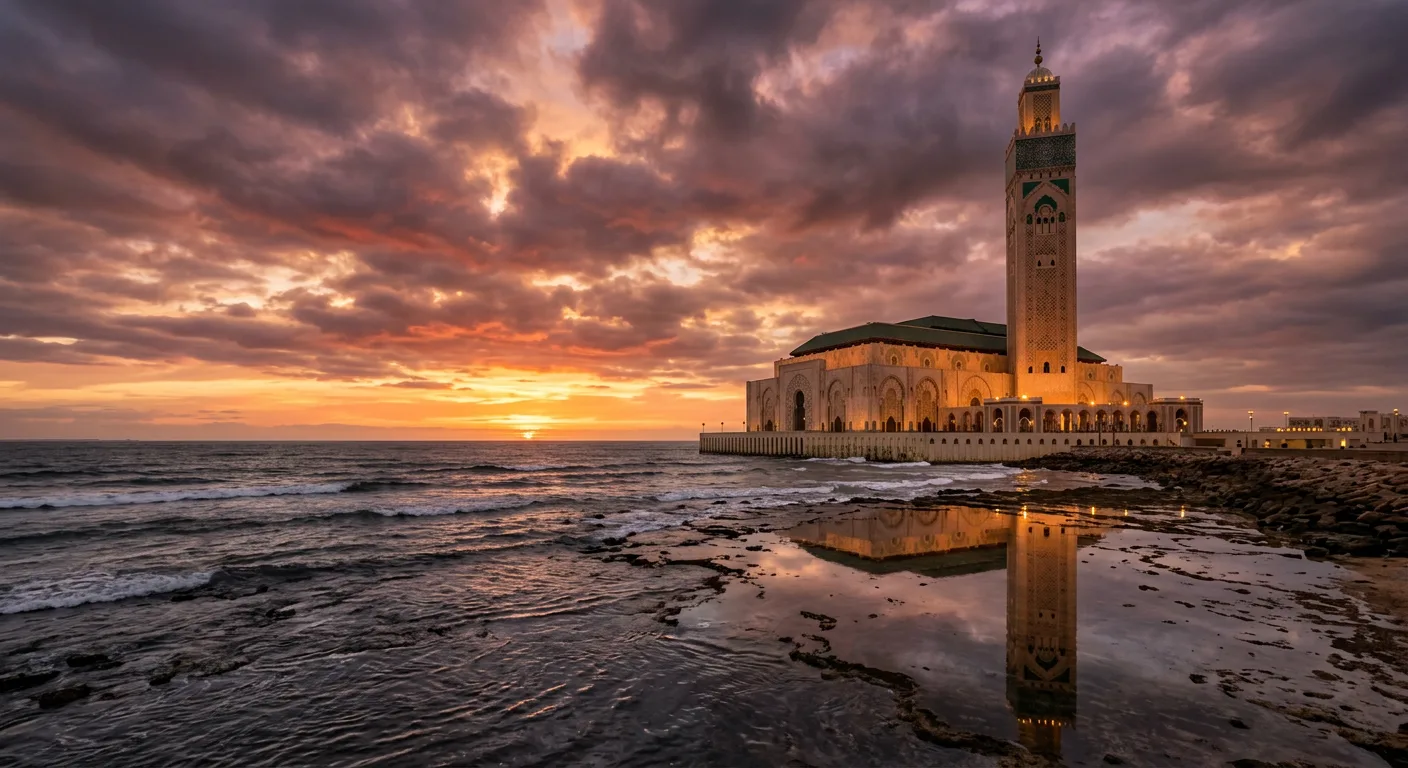
Casablanca
Morocco's largest city and economic capital has a contemporary music scene that reflects its cosmopolitan character. Jazz clubs, live music bars, concert halls, and major festivals offer a range that spans from traditional to cutting-edge. Casablanca is where Morocco's modern musical identity is being forged.
01
L'Boulevard Festival
Contemporary: rap, hip-hop, rock, electronic, metalCasablanca's urban music festival celebrates contemporary Moroccan music -- rap, hip-hop, rock, metal, and electronic -- alongside international acts. The festival is a showcase for Morocco's youth culture and the music scene that has emerged from the working-class neighbourhoods of the city.
When
Annual, typically September. Dates vary.
Cost
Ticketed. Affordable pricing aimed at young audiences.
Insider Tip
This is the pulse of Morocco's contemporary music scene. The local acts are as compelling as the international headliners. The festival has launched several artists who later gained international recognition.
02
Villa des Arts
Classical, contemporary, Andalusian, chamber musicA graceful art deco cultural centre that hosts classical and contemporary concerts, art exhibitions, and literary events. The programme includes Moroccan classical music, visiting international chamber ensembles, and cross-genre collaborations.
When
Regular scheduled events. Programme published monthly.
Cost
Ticketed events at accessible prices.
Insider Tip
The building itself is a beautiful example of Casablanca's art deco heritage. Combine a concert with a visit to the exhibitions. The acoustic quality in the main hall is excellent.
03
Bateau Ivre
Live rock, blues, jazz, Moroccan fusionA live music bar in the Ain Diab area that hosts bands playing rock, blues, jazz, and Moroccan fusion. The atmosphere is informal and the music can run late. This is where Casablanca's musicians come to play and listen.
When
Thursday through Saturday evenings, typically from 10:00 PM.
Cost
Cover charge varies. Moderate drink prices.
Insider Tip
The venue is small and fills quickly on weekend nights. Arrive early for a seat. The Thursday jam sessions attract visiting musicians and can produce unexpected collaborations.
04
Mawazine Festival Spillover
International pop, rock, world music, Arabic popWhile the Mawazine Festival is centred in Rabat, its scale means that Casablanca also hosts related events, satellite concerts, and the energy of hundreds of thousands of festival-goers passing through. The festival is one of the largest music events in the world by attendance.
When
May or June annually, coinciding with the Rabat festival.
Cost
Many Mawazine events are free. Premium ticketed options available.
Insider Tip
The main festival is in Rabat (one hour by train). Casablanca serves as a base for many attendees. Hotels in both cities fill rapidly during the festival period.
05
Marina District Jazz and Cocktail Bars
Jazz, lounge, acoustic, DJ setsThe Morocco Mall and Marina area of Casablanca has developed a cluster of upscale bars and lounges that regularly feature live jazz, lounge, and acoustic performances. The waterfront setting and modern interiors attract a well-dressed clientele.
When
Weekend evenings, typically from 9:00 PM.
Cost
Premium pricing. Cocktails and food at upscale restaurant rates.
Insider Tip
The musical quality varies by venue and night. Ask hotel concierges for current recommendations. The Marina skyline provides an atmospheric backdrop for a musical evening.
3 Venues
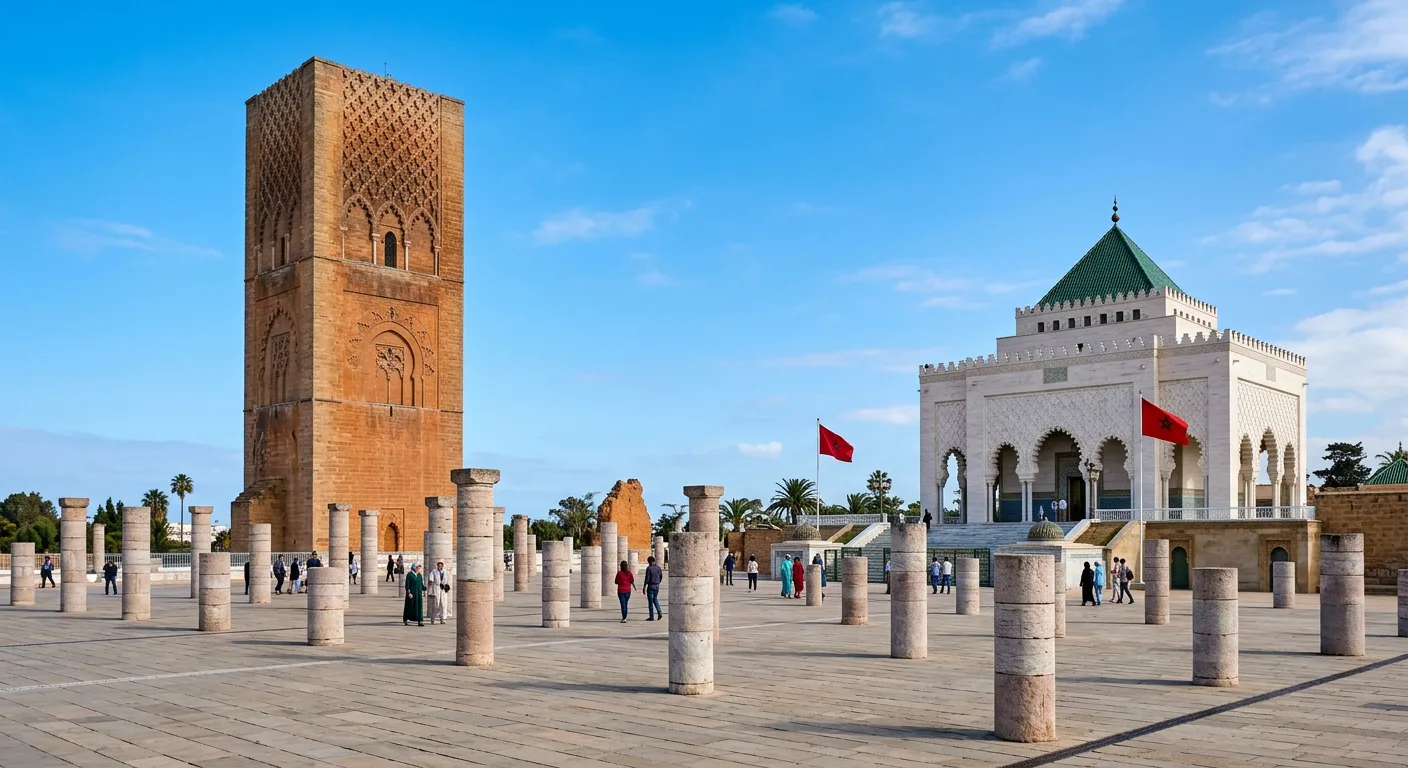
Rabat
The capital city hosts the largest music festival in the world by attendance -- Mawazine -- alongside formal concert venues, cultural institutes, and a growing contemporary music scene. Rabat offers the most institutional support for music of any Moroccan city.
01
Mawazine Festival
International: pop, rock, world, Arabic pop, hip-hop, electronicOne of the largest music festivals on Earth by attendance, Mawazine regularly draws millions of spectators across its multiple stages over a week-long run. International headline acts (from major pop and rock stars to world music icons) share billing with Arabic and Moroccan artists on stages across the city. The scale is extraordinary.
When
May or June annually, approximately one week.
Cost
Many stages are free. Premium ticketed areas for headline acts.
Insider Tip
The free stages often feature the most interesting acts. The OLM Souissi stage hosts international headliners. The Bouregreg stage focuses on Arabic and Moroccan music. Public transport is the best option as parking is impossible.
02
Mohammed V Theatre
Classical, Andalusian orchestral, opera, theatreRabat's premier formal concert venue hosts classical music performances, Andalusian orchestral concerts, and theatrical productions. The hall has been recently renovated and provides an acoustic experience that matches the best venues in North Africa.
When
Scheduled performances throughout the season.
Cost
Ticketed. Premium seating available.
Insider Tip
The Andalusian classical concerts are the highlights of the programme. Dress semi-formally for evening performances. The renovated interior is worth seeing in its own right.
03
Institut Francais de Rabat
Contemporary, experimental, jazz, cross-culturalThe French cultural institute maintains an active programme of concerts, film screenings, and cultural events throughout the year. The programming tends toward contemporary and experimental music, providing a counterpoint to the traditional fare at other venues.
When
Regular events throughout the year. Programme published monthly.
Cost
Many events are free or very affordable.
Insider Tip
The Institut is a reliable source of quality musical programming year-round, particularly valuable outside festival season. Check the monthly programme on arrival in Rabat.
2 Venues
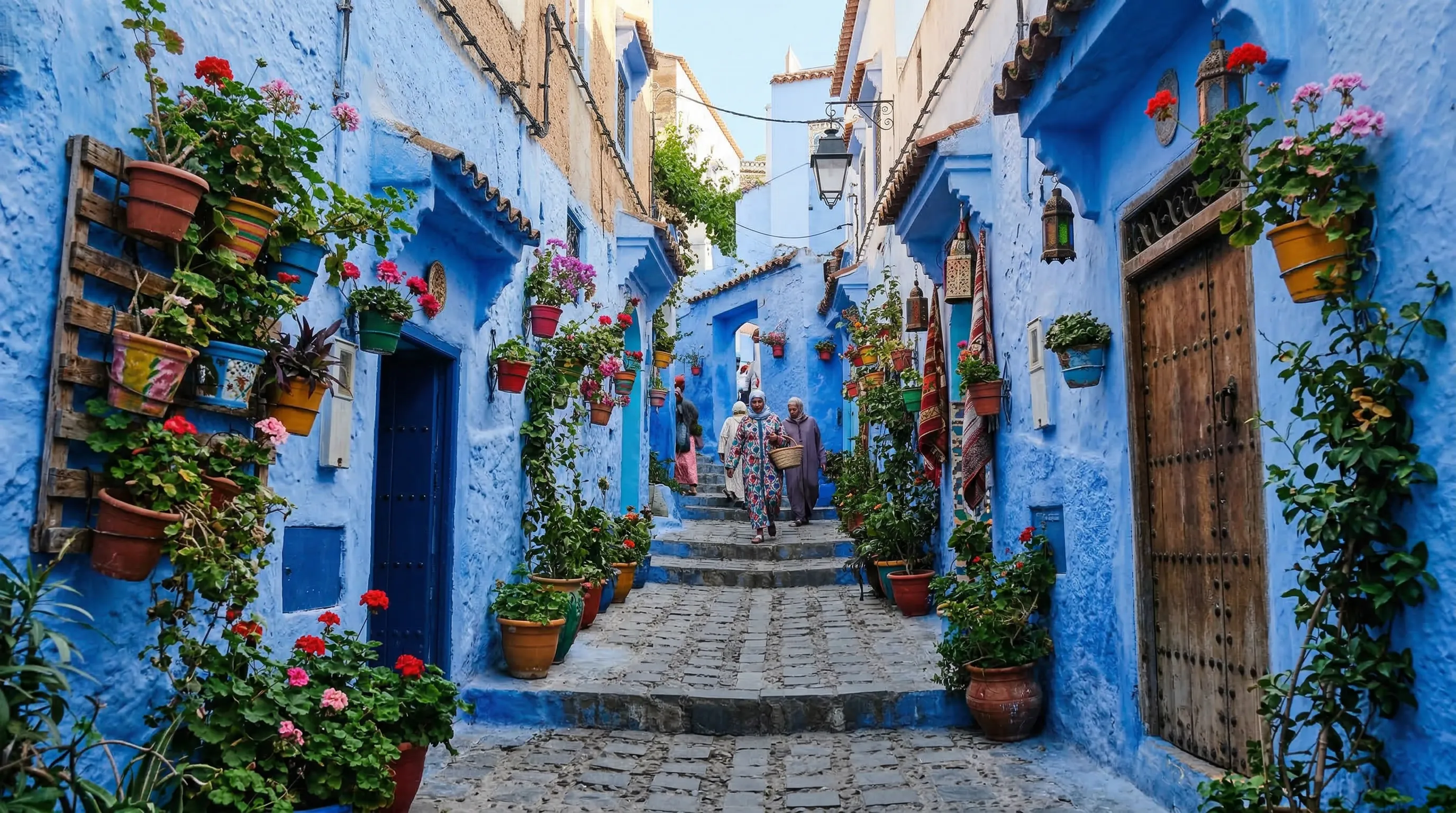
Chefchaouen
The Blue City is not a major music destination, but what it offers is unique: intimate, unplanned musical encounters in the medina that reflect the Rif Mountain culture. Amazigh (Berber) traditions from the surrounding mountains meet Andalusian heritage in a setting of extraordinary visual beauty.
01
Informal Evening Jam Sessions in the Medina
Amazigh traditional, Andalusian influenced, informal folkOn warm evenings, musicians sometimes gather in small squares and doorways within the medina for informal jam sessions. These are not planned events but spontaneous moments when local musicians play for their own enjoyment. The blue walls amplify the sound and the intimate scale creates a uniquely atmospheric experience.
When
Unpredictable. Warm evenings, particularly Thursday and Friday.
Cost
Free.
Insider Tip
Walk the medina in the evening and listen. If you hear music, approach quietly and sit nearby. These sessions end when the musicians choose, and their informality is their charm.
02
Rif Amazigh Music (Visiting Mountain Musicians)
Rif Amazigh traditional, lotar-based folk musicChefchaouen is a gateway to the Rif Mountains, and musicians from the surrounding villages occasionally perform in the town. Rif Amazigh music features the lotar (a long-necked lute) and vocal traditions distinct from both Arabic Moroccan and southern Berber styles. The music carries the austere beauty of the mountain landscape.
When
Market days (particularly Thursdays) when mountain communities come to town.
Cost
Free when encountered in public spaces.
Insider Tip
Ask your riad host if any Rif musicians are known to be performing. Market day is the best chance to encounter mountain music in the town itself.
Annual Events
Morocco Music Festival Calendar
Morocco hosts some of the largest and most prestigious music festivals in Africa and the Arab world. June is the peak festival month, but events run throughout the year.
| Festival | City | Month | Scale |
|---|---|---|---|
| Mawazine Festival | Rabat | May / June | Massive |
| Gnawa and World Music Festival | Essaouira | June | Major |
| Festival of World Sacred Music | Fes | June | Major |
| Jazz au Chellah | Rabat | September | Intimate |
| L'Boulevard Festival | Casablanca | September | Major |
| Timitar Festival | Agadir | July | Major |
| Tanjazz | Tangier | September | Intimate |
| Marrakech International Film Festival | Marrakech | November / December | Major |
Practical Advice
How to Find Authentic Music
The best musical experiences in Morocco are rarely the ones listed in guidebooks. These practical strategies will help you find real music wherever you travel.
Ask Your Riad Host
The single most reliable method for finding live music in any Moroccan city is to ask the staff at your riad or hotel. They know which venues are active that particular week, which musicians are performing, and which events are worth attending. Their recommendations are based on current local knowledge, not guidebook listings that may be outdated.
Look for "Soiree Musicale" Notices
In the medinas and cultural districts of Fes, Marrakech, and Essaouira, hand-written or printed notices announcing "soiree musicale" (musical evenings) appear on walls, in cafe windows, and on cultural centre noticeboards. These announce concerts, ceremonies, and events that are not marketed to international tourists.
June Is Peak Festival Month
Morocco's major music festivals cluster around June: the Gnawa Festival in Essaouira, the Festival of World Sacred Music in Fes, and Mawazine in Rabat all typically fall in this month. Planning a trip around June maximises your chances of experiencing world-class live music.
Hammams and Tea Houses
In smaller towns and rural areas, hammams and tea houses sometimes host informal musicians -- a single oud player, a singer, a small group rehearsing. These encounters are impossible to plan but deeply rewarding. They are the equivalent of stumbling into a jazz session in a back-room bar.
Cultural Institutes
The Institut Francais and other cultural centres in major cities maintain active programmes of concerts, workshops, and cultural events. Their programmes bridge traditional and contemporary music and often feature emerging Moroccan artists. Check the monthly schedule on arrival.
Follow Your Ears
In the medinas, particularly in Fes, Essaouira, and Chefchaouen, music often drifts over walls and through narrow alleyways from unseen sources. Following the sound -- down an alley, through a doorway, into a courtyard -- can lead to musical encounters that no guidebook could have planned.
Respect the Music
Etiquette at Music Performances
Moroccan music spans from casual street entertainment to deeply sacred spiritual ceremonies. Understanding the appropriate behaviour for each context enriches the experience and shows respect for the musicians and their traditions.
Gnawa Ceremonies Are Spiritual Events
EssentialA Gnawa lila is not a concert. It is a spiritual healing ceremony with deep religious significance. If you attend a private lila, follow the maalem's instructions regarding behaviour, seating, and participation. Some elements involve trance states that can be intense. Ask permission before photography and accept if it is declined.
Ask Before Photographing Musicians
EssentialWhile many performers welcome being photographed, always ask permission first. Street musicians at Djemaa el-Fna expect a donation of 10-20 MAD for photographs. At formal venues, photography policies vary -- check before raising your camera. At private ceremonies, photography is at the discretion of the host.
The Donation Culture at Djemaa el-Fna
EssentialThe street musicians of Djemaa el-Fna perform for donations, not ticket sales. If you stop to watch, a donation is expected -- not demanded, but culturally expected. Standing at the back of the crowd for a few minutes is fine without donating, but joining the inner circle or photographing without giving is considered disrespectful.
Dress Appropriately for the Venue
Formal concert venues (Mohammed V Theatre, Theatre Royal) expect semi-formal dress. Dinner show venues (Comptoir Darna, Le Jad Mahal) are smart-casual to formal. Street performances and cafe settings are casual. For Gnawa ceremonies, modest clothing that covers knees and shoulders is appropriate.
Arrive on "Moroccan Time"
Scheduled start times in Morocco are approximate. Street performances begin when the musicians arrive and feel ready. Concert start times may run 15-30 minutes late. Festival sets generally start closer to schedule. Patience and flexibility are part of the experience.
Alcohol and Music Venues
EssentialAlcohol is served at licensed bars, restaurants, and hotel venues (Kechmara, Comptoir Darna, Bateau Ivre) but is not available at street performances, medina venues, or religious ceremonies. Arriving visibly intoxicated at a Gnawa ceremony or sacred music event would be deeply inappropriate.
Requesting Songs
At informal venues and with street musicians, requesting a specific piece is usually welcomed, especially if accompanied by a tip. At formal concerts and sacred music events, the programme is set by the performers. At Gnawa ceremonies, the maalem controls the sequence of invocations absolutely.
Continue Exploring
Moroccan Music Heritage
The complete guide to Moroccan musical traditions -- Gnawa, Andalusian, Chaabi, Amazigh, and more.
Music Masterclass
Deep dives into instruments, genres, history, and the cultural context of Moroccan music.
All Tours
Browse our full range of luxury tours, many including live music experiences.
Plan Your Trip
Tell us what you want to experience and we will build an itinerary around the music.
Experience the Music
Let Us Take You to the Music
Our guides know every venue, every musician, and every hidden courtyard where music happens. They can arrange private Gnawa ceremonies, secure the best seats at festival concerts, and introduce you to musicians whose names do not appear in any guidebook. Tell us what you want to hear, and we will build the itinerary.
Six Cities. Thirty Venues. One Sound.
Morocco's music is not something you listen to. It is something that surrounds you, enters you, and stays with you long after you leave.
Start Planning